a-ha

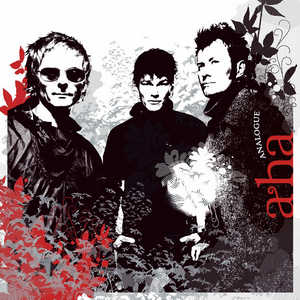
a-ha promotional photo
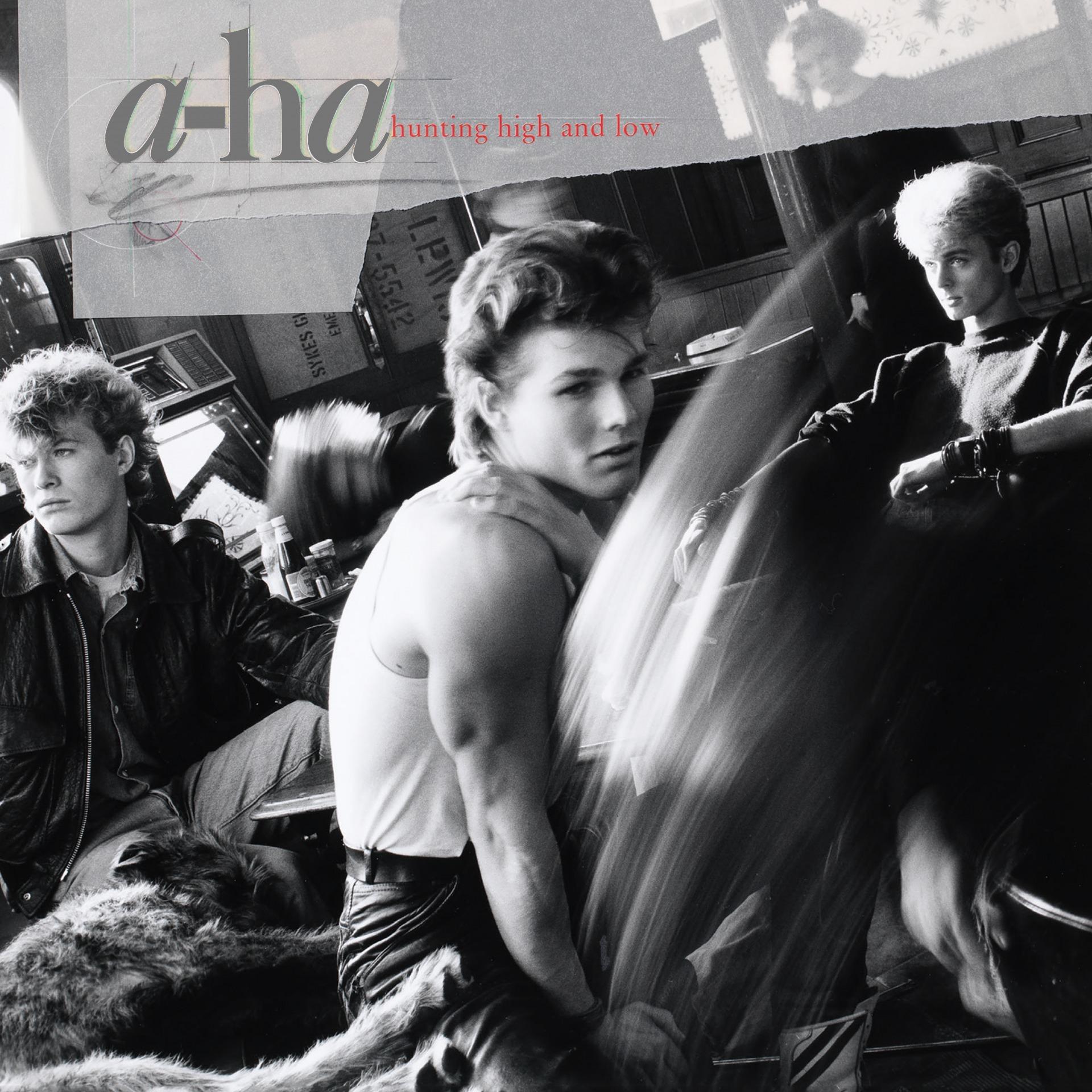
Hunting High and Low cover

Hunting High and Low 1985 ★★★

“Take on Me” was pretty much the hit from 1985, and it has only grown shinier with age. It’s a glorious thing: huge, bright, melodically potent, and carried by Morten Harket’s nearly unmatchable high-wire vocal performance. Especially with that music video—it was a phenomenon. Given the runaway popularity it might have been easy to assume the rest of the album would have been rushed out as padding. And maybe it was. Nothing else reaches that altitude. But the rest is consistently enjoyable—to anyone who needs a synth-pop fix from time to time. Never ones to push the boundaries of the art, but they certainly could work very smartly within the genre’s established limits, polishing the surfaces until they gleam. Another single—though much less successful—was the heavy, brooding power ballad “The Sun Always Shines on TV.” Its music video continues the “Take on Me” thread and gives it a sad ending. So even Love Conquers All fantasies of ’80s pop-rock must fall. Respectable album though. And sometimes respectable, especially when it’s dressed in synths and wounded romanticism, gets more done for your broody innards than you’re willing to admit.
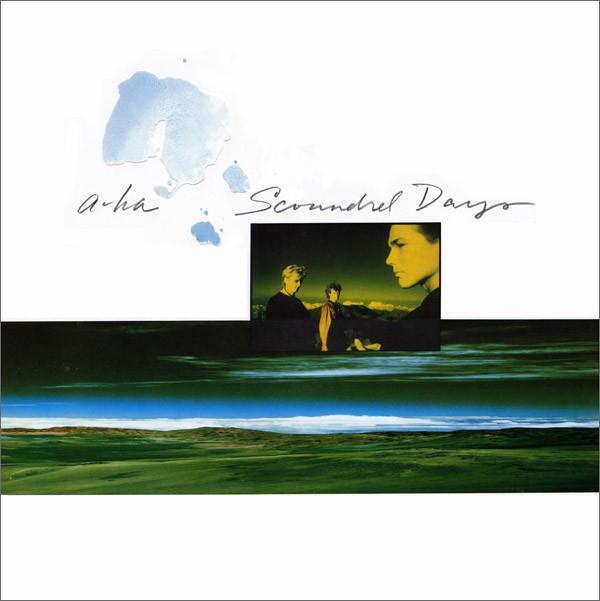
Scoundrel Days cover

Scoundrel Days 1986 ★★★★

They might have had only one major hit in the U.S., but a-ha were superstars almost everywhere else. This album, for instance, sold six million copies worldwide while only peaking at #74 on the American charts. The rest of the world clearly had it right. This thing is wonderful: a huge improvement over the debut, more mature, more melodic, and far more confident in its melancholy. Right away, the title track establishes the mood—a towering, brooding opener that makes it clear they weren’t content to remain the “Take on Me” guys. We already knew Morten Harket was one of the finest lead singers in bubblegum synth-pop, but here he’s really baring his soul. These songs are easy to endorse. “The Swing of Things” is probably the album’s highlight, just as moody as the opener. It might turn into a dance song if it weren’t constantly being pulled back by that dreamy chorus. “I’ve Been Losing You” is nothing less than a solid pop tune, with a snappy melody, crisp textures, fantastic drumming, and Harket—once again—singing like some genetically engineered synth-pop deity. I suppose one could criticize “October” for being uneventful. But even then, Harket sings it in a quiet, warbled manner over simple keyboard and drum-machine textures. Could be a-ha’s best album.

Stay on These Roads cover

Stay on These Roads 1988 ★★½

Even though a-ha’s music had been synthetic from the start, their previous album showed how much texture and drama they could squeeze into synth-pop. This follow-up has far less of that spark. Instead, they lean hard on soft, washy synths, which gives the album a glossy but rather ordinary 1988 sheen. There are decent songs here—plenty of them—but too few surprises. Let’s blame it on Bond. They penned and performed the title song to The Living Daylights, and the rest of the album was made to polish like that. Though interestingly, the version that plays over the film is a little more horn-driven. Apparently, the band and film composer John Barry had epic clashes in the studio. But polished to death or not, Morten Harket’s voice still goes sailing over everything like it owns the airspace. That’ll never be taken away from them. I like most of it well enough while it’s on. Not much sticks with me afterward. The title track works, with its huge drum sounds, huge drama, and even huger vocals from Harket. But whatever goodness it has gets counterbalanced by “This Alone Is Love,” a similar sort of song that never rises much above adequate. Then there’s the seven-minute “Out of the Blue Comes Green,” which has a fitfully moody atmosphere and an OK tune. But seven minutes is pushing it. Overall, a polished and listenable third album from this Norwegian pop group. Disappointingly low-voltage.

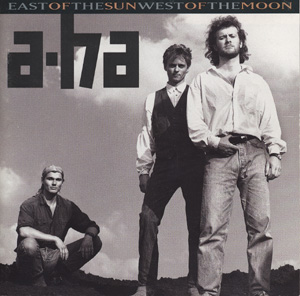
East of the Sun, West of the Moon cover

East of the Sun, West of the Moon 1990 ★★★★

a-ha orchestrate these songs mainly with acoustic guitars and real pianos, leaving the synthy keyboards that ran rampant on their previous album mostly to subtle touches. Couple that with their already established talent for potent hooks, and we have another enjoyable, tasteful pop album on our hands. Think of what the Moody Blues might have sounded like in the ’90s if their creative juices were still in peak form. The orchestrations are often majestic and thick, and Morten Harket has pipes powerful enough to permeate the clouds. They open the album with a cover of the Everly Brothers’ “Crying in the Rain,” and it’s a piece of pure, melancholic magic. The album doesn’t let up much from there. The title track is one of the prettiest songs here, a relatively simple folk tune that generates a bit of electricity midway through with a swelling orchestra. A couple of more upbeat adult-contemporary songs, “I Call Your Name” and “Cold River,” buck the trend by actually being good. “The Way We Talk” is a bit of low-key jazz, which I suppose is interesting, considering these are pure-pop guys. I wouldn’t go so far as to call this a-ha album great or anything, but I would be hard-pressed to find too many pop albums from 1990 this consistent, classy, well-rounded, and tuneful.

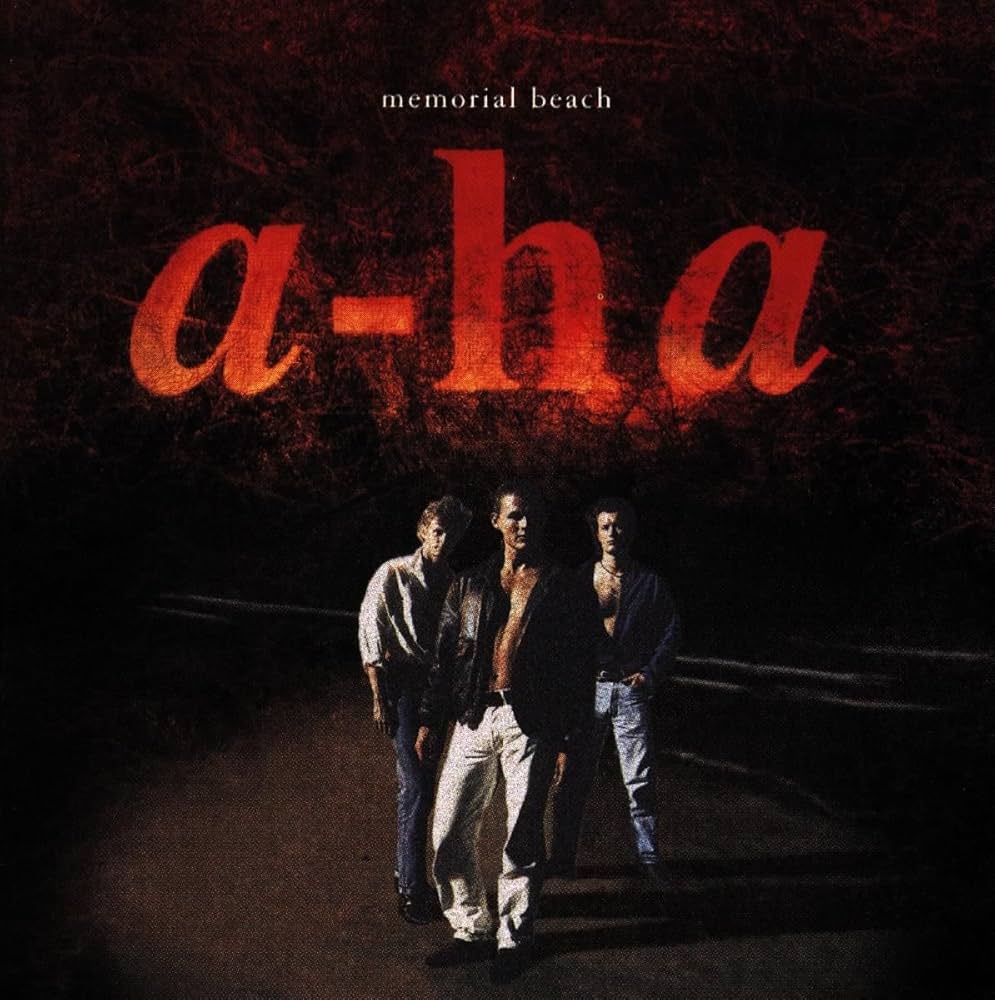
Memorial Beach cover

Memorial Beach 1993 ★★★

Solid and tasteful. Moody, polished, and once again impeccably sung. Morten Harket hits more of those cloud-splitting high notes right away on “Dark Is the Night for All,” and the band surrounds him with sleek guitars and careful rhythms. This was approaching the mid-’90s, so heavy synth sounds were out of style for these bands. Kid’s stuff. You’re going to listen to this, and you’re going to respect it. Like you respect your elders. The production is so immaculate you almost wish it would leave more of a scuff mark. You want a little friction somewhere, something to push against. If you happen to own an art gallery that specializes in bronze statues, this would sound terrific over the speakers. I could imagine myself mulling over bronze statues while this plays overhead. If you own a car and want to play it on a road trip, that would probably work pretty well, too. Plenty of hooks in the melodies. Enough movement in the rhythms. Dang, that Morten Harket is a mighty fine singer. There’s variety, confidence, and a steady adult sophistication. What it doesn’t have is a knockout single—nothing on the level of “Take on Me,” and not even quite the best pop material from Stay on These Roads. But as a whole, Memorial Beach is a pretty solid thing and a good thing to fill that empty void between your ears.

Minor Earth / Major Sky cover

Minor Earth / Major Sky 2000 ★★★

After a bit of a hiatus, a-ha came back not exactly new, but maybe wiser. A slight improvement over Memorial Beach, largely because the band re-remembers that synthesizers exist. This isn’t the synth-pop from their youth, though—more blippy-bloopy synthesizers relegated to background effects. But the sound is clean, cool, and mature, lending it some personality to boot. The band long passed chasing hit singles and settling into their final form. Handsome adult pop for people who like gray beaches and own good windbreakers. The melodies still excellent. Nothing here hits like their biggest singles, or even quite as good as best moments on Memorial Beach. But it all keeps a steady glow. A consistent album that not one particular song stands out as a highlight. Though just to choose one, “Summer Moved On” is a centerpiece. Huge, aching adult-heartbreak pop. Morten Harket’s voice—as always, the band’s finest asset—drops in from the gray skies like a drizzle. And you’re left to pretend it isn’t doing emotional damage to you, even as the wind is blowing it in your face. a-ha have always been a relatively modest band—focused far more on creating moods more than trying to replicate their one runaway hit single. But here, they seem perfectly at ease settling into it. Like all of us should—growing older and doing so gracefully.

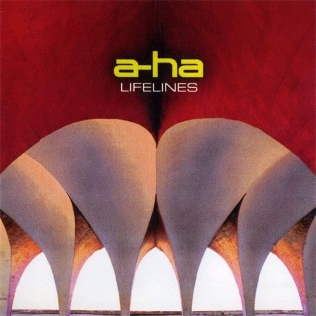
Lifelines cover

Lifelines 2002 ★★½

The title track is a trap. A beautiful trap, but a trap. It lifts off immediately. Harket’s voice goes up, the clouds part, the air gets cleaner. And for a few minutes you think to yourself: Ah yes, a-ha have built us an entire mountain retreat with big windows. You see eagles crisscrossing outside. Billy goats clomping around your side yard. Exhausted climbers waving from a distant rock face. But then the album keeps going. And going. More than an hour of soft-focus uplift, tasteful melancholy, and Harket singing like he’s trying to cause the sun to wobble a bit off its axis. That voice remains the great asset: angelic, aerodynamic. But too much of Lifelines stays at the same emotional altitude, and after a while the songs start resembling each other. A handful still stand out. “Time and Again” is lighter and more thoughtful, while “Did Anyone Approach You?” has a curious pulse—somewhere between a militaristic drum beat and a club rhythm trying not to wake the neighbors. The album is handsome, well-made, frequently pretty. Just after that first song, it keeps promising ascent but delivers something closer to hover. Like letting go of a helium balloon only to watch it stop at eye height.