ABBA

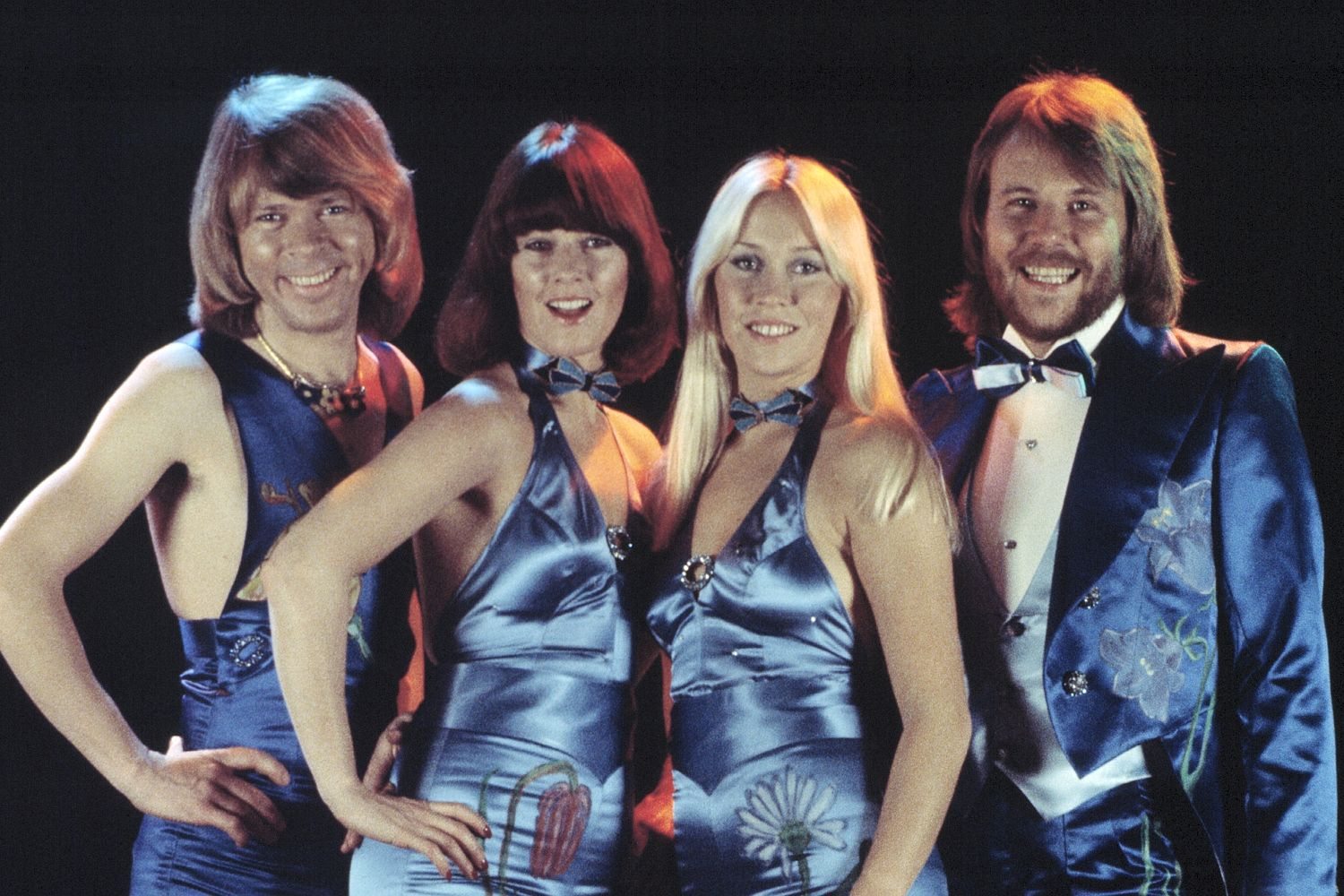
ABBA promotional photo
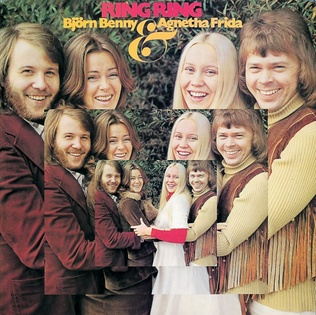
Ring Ring cover

Ring Ring 1973 ★★½

A band with two guys and their girlfriends. Young, dumb, in love, and still a few albums away from the sequins, unbeatable hooks, and that distinctly melancholic glow. But it's still hookier than ninety percent of the pop albums you’ll find from that era—just not the ninety-nine-point-nine percent of their peak. The biggest meh-factor is that Benny and Björn take lead vocals about as often if not more than Agnetha and Anni-Frid, which is interesting in a historical sense and mildly unfortunate in a musical one. They don’t have bad voices, exactly, but the group would soon figure out that stepping aside was usually the wiser move. This debut wasn’t released in the United States until the mid-’90s, and it has precisely zero ABBA hits the average person would recognize. Still, the album is better than its reputation. “Ring Ring” was a hit in Sweden, and it’s the keeper here. Catchy little pop-rock thing. Grinning too hard, maybe, but it works. They’re not pop-meisters yet. Still, this already feels more deliberate than beginner’s luck. A few songs could use a jolt of electricity: “I Saw It in the Mirror” and “I Am Just a Girl.” Even worse, “Me and Bobby and Bobby’s Brother” is the sort of thing that might make you cringe at Eurovision—though you’ve heard worse. “Merry-Go-Round” starts out like psych-pop before a more mechanical rhythm picks up. “Santa Rosa” and “She’s My Kind of Girl” could have slipped off a Turtles record from 1968—and a pretty good one at that. But in terms of how pop aged back then, 1968 to 1972 was practically a geological era. “Rock ’N’ Roll Band” and “People Need Love” are foot-stomping glam songs that sound more appropriate for the era. “Disillusion” might be the second-best song here—it’s a song that points to the band ABBA would become—it’s a sad ballad that’s dripping with melancholy. Primordial ABBA, then. But with traces of almost everything you’ll later like about them.
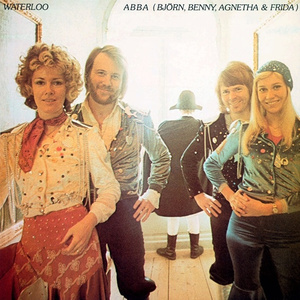
Waterloo cover

Waterloo 1974 ★★★

They more or less cement their polished sound here. The problem is their songwriting still hasn’t fully grown into it. Of course, the opener is “Waterloo,” the huge Eurovision hit, and possibly still the one song from that whole contest in the history of the contest like a moose among a sea of mice. Agnetha and Anni-Frid turn in such rollicking vocal performances that I freely admit to hollering along at the top of my lungs while I’m driving, and there’s absolutely nothing stopping me except for maybe the police but they haven’t stopped me yet. It’s a pounding, thunderous song about Napoleon’s final defeat, because apparently ABBA found romance in surrender. And maybe students of history, gather round. “Honey, Honey” floats through the air nicely, even if it’s pretty simplistic. “Hasta Mañana” has a sweet melody. “Watch Out” is a solid little rocker. “King Kong Song” is goofy pounding rock, clearly a joke of the sort they’d mostly stop making later. They didn’t seem to mind looking ridiculous in public. “Sitting in the Palmtree” is cute, maybe too cute. “What About Livingstone” sounds like a children’s song that got lost on its way to Sesame Street. Forget it exists. Good album, though. Altogether one of ABBA’s weaker records, which means it’s still pretty rad.

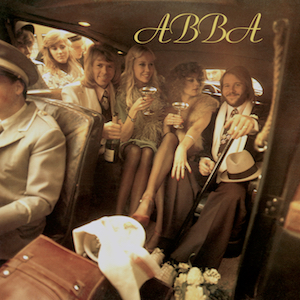
ABBA cover

ABBA 1975 ★★★★

ABBA already had two solid pop albums behind them, but this is where they start turning into deities. Not fully ascended yet. Still a little goofy. Still taking novelty detours here and there. Still capable of clunky choices. But now the sound gleams, and the songs start doing that ABBA thing where heartbreak gets dressed-up in thick layers of frosting and served with ice cream. (Hence, I suppose, why ABBA has been for decades my go-to cheer-up music.) “Mamma Mia” is a perfect slick little pop symphony—the hooks magnificent, texturally varied musical passages flowing together so gracefully that the song keeps lifting itself to higher floors. “SOS” is pure delight—by which I mean pure adult heartbreak and a chorus sharp enough to take the edges off. “Rock Me” and “Hey, Hey Helen” hit harder than expected, with surprisingly tough rock beats. The latter even sneaking in sharp lyrics (and surprisingly progressive for the ‘70s) about a recently divorced woman learning to thrive on her own. “I Do, I Do, I Do, I Do, I Do” is cheerful oompah barroom pop, probably too cute but absolutely infectious—therefore impossible to deny unless you hate joy and small brass instruments. “Bang-A-Boomerang” works in a similar lane, only with more rhythmic punch. Even “Tropical Loveland” isn’t bad. Apparently ABBA required one novelty tropical number per album at this point, but it’s produced here with enough care and warmth that resistance starts to feel like you’re turning down a free tropical vacation. Why would you? The album does feel much like Waterloo version of the group, but the writing is richer now, the arrangements more pristine, the emotions more adult. This is the first truly polished album. And the best news is that it was only uphill from here.

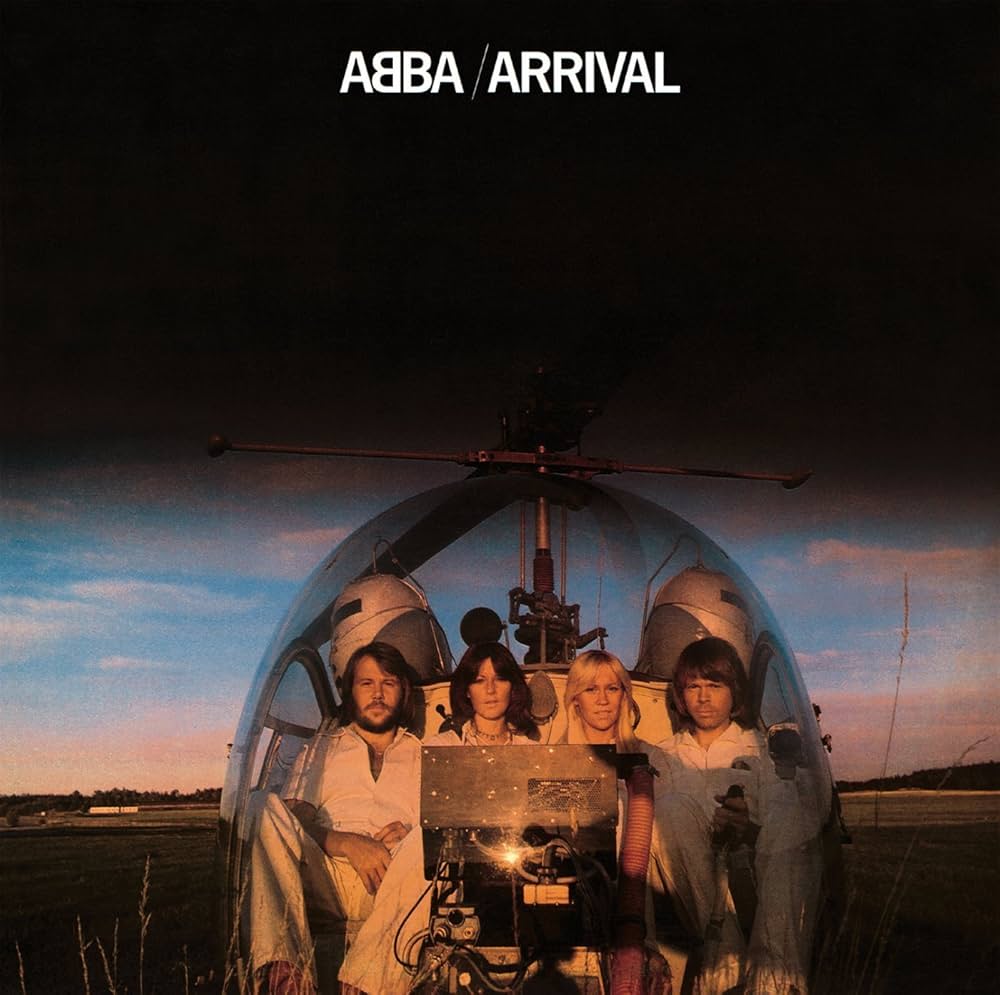
Arrival cover

Arrival 1976 ★★★★½

ABBA must have discovered a glowing suitcase in the woods or something, given how many monumental leaps they’re taking. The hooks are bigger. The production cleaner. The emotional undercurrent runs even deeper than before. “Dancing Queen” is the big one—on an album where it’s honestly difficult to pick out a highlight. Sometimes people tell you it’s disco, but it’s not disco, really. It’s more like pop music discovering that it can levitate. The pianos come in sparkling, voices rise to the top of the cathedral, strings sweep in. It’s a song that’s spirited and elegant—tender too. It’s also uncanny how this song feels communal and private at once. Like everyone in the room dancing to the same memory. “Money, Money, Money” is spiteful piano-pop with a mouth full of bile, about someone contemplating turning marriage into a financial instrument. “Knowing Me, Knowing You” places heartbreak under a clean dance beat—a song you’ll sing along to with a wide grin while tears gush profusely down your face. “When I Kissed the Teacher” opens the record with a pop-rock grin so catchy it should have been a hit. And maybe it would have been if the album wasn’t already stacked with enough hits to jam the airport carousel. Add “Fernando” as a bonus track—a non-album single. Like “Waterloo” before it, a song that finds romance in battle. Such a warm and comforting melody, yet attached to lyrics about “the roar of guns and cannons.” Still, who’s going to resist singing along with that chorus? The weaker tracks are still pretty great. “Why Did It Have to Be Me?” is a bouncy ’50s-inspired boogie-woogie number with a melody that found a way to burrow into my brain. “Dum Dum Diddle” is symphonic in a way similar to “Mamma Mia”—just not quite as inspired. “Tiger” stomps in on glam-rock rhythms while the ladies belt out “I am behind you, I always find you, I am the tiger.” ABBA are just ridiculous here—pristine, theatrical, mercilessly catchy. Pop music that might try to wreck your emotional stability but also spoon-feeds you ice cream.

The Album cover

The Album 1977 ★★★★★

By The Album, ABBA are operating at a ridiculous level. I’m not even sure what the argument against them is supposed to be anymore. The hits are here. The weaker material has almost vanished completely. “Eagle” opens the album with a huge, dreamy ballad that barely even sounds like Euro-pop anymore. More like art-pop. It puts you right there—in the air, wings out, soaring over blue lakes and pine forests. Then comes “Take a Chance on Me.” An a cappella intro, ridiculous hooks, and a dance pulse. “The Name of the Game” is death-by-melody, elegant and lethal. That little synth toot in the background reminds me of the piccolo trumpet from “Penny Lane.” Even “One Man, One Woman” is great—a song that should have been schmaltzy country-pop filler, but that chorus gets me. “Thank You for the Music” is the big beauty here. Could have turned to mush, but it doesn’t. It gleams instead. The last two songs find ABBA wandering into mini-musical territory. “I Wonder (Departure)” goes broad and emotional, nearly an aria, and it’s beautiful. “I’m a Marionette” is more severe and dramatic—the orchestra tightening around it until the song starts sounding a little deranged. I used to think “Move On” and “Hole in Your Soul” were the weak spots. Not really anymore. All in all, a wonderful album. The arrangements gleam and the emotions hit hard. Even more, the melodies keep coming for your throat. People can keep dismissing ABBA if they want. People can also keep making poor decisions in parking lots.

Voulez-Vous cover

Voulez-Vous 1979 ★★★★

This is where ABBA finally go disco for real—plugging directly into the late-’70s machinery of thumping beats, glassy production, and songs made for mirrored rooms and satin shirts that are unbuttoned just a bit too far. And yes, it’s a step down from The Album. Then again, most albums are. The melodies aren’t quite as deathless, and some of the production has a flatter, more anonymous shine. But nothing—apart from the thematically questionable “Does Your Mother Know,” about a seventeen-year-old and a grown man getting flirty—exists below some shade of ecstatic. “As Good As New” opens the album with some classical filigree before snapping into the dance floor. “Kisses of Fire” is pleasant—not quite the killer closer you want after their previous album. The title track is the best of the full-on disco material. It pumps along nicely and does what it needs to do. Your foot starts tapping, and suddenly you’re not too concerned about how profound it is. The album’s most valuable jewels are where ABBA stop making music for the dance floor and remember that the room usually builds itself around them. “Chiquitita” is the big one—folk-tinged, mid-tempo, meltingly melodic, so hard to resist you wonder what’s wrong with you for thinking you have to. “Angeleyes” is the sleeper, a perfect little Euro-pop dagger with one of those melodies that comes at you smiling—then stays with you for the rest of your life. If the last twenty-five years of my own life are any indication. This is lesser ABBA, but “lesser ABBA” is still a ridiculous luxury item. Even when they’re slightly less divine, they’re still handing you hooks that most pop acts would commit light fraud to possess.

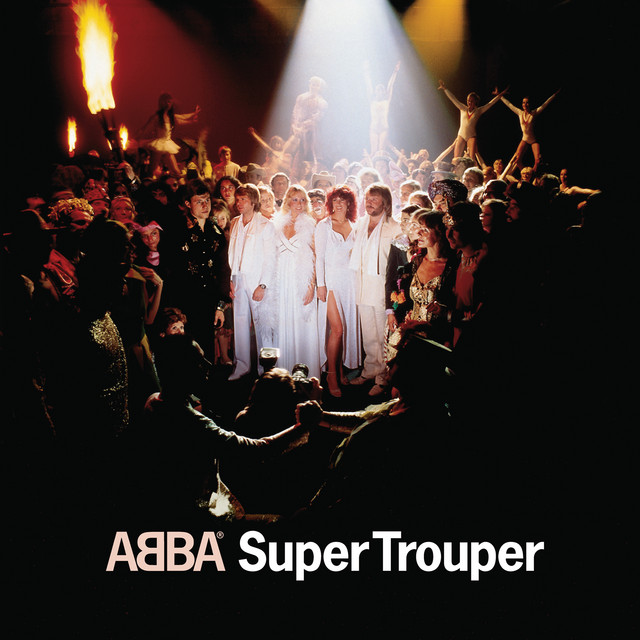
Super Trouper cover

Super Trouper 1980 ★★★★

By this point, ABBA are easing back a little from the disco side of things. The pulse is still there, but there’s more room now for bigger emotions and melodies that ache a little instead of simply sparkling. All still, of course, under the guise of slick pop. The album isn’t necessarily better than Voulez-Vous—just different. That one glittered under the disco ball. This one stares at it a little too long, hours after the party ended. The songwriting is still operating at a frighteningly high level. “Super Trouper” itself is instantly memorable, bright and gleaming but touched with exhaustion underneath. This, if I remember right, was the first of many ABBA songs I became obsessed with. Then the utterly transfixing “The Winner Takes It All” comes next, and probably the greatest ballad they ever recorded. A song where the emotional pain doesn’t merely decorate the melody—it drives it. And the melody—well, it’s killer. Agnetha sings it like someone trying very hard not to fall apart in public. “Lay All Your Love on Me” keeps one foot in the disco era, though the mood is darker and more obsessive than the beat first suggests. Then “Our Last Summer” drifts in with all those Paris memories and soft-focus regrets, the melody hanging in the air long after the song should have ended. An odd little prize is “The Piper”—folk-pop with a medieval-ish prog shadow over it, and somehow not embarrassing. “Andante, Andante” and “Me and I” don’t hit quite as hard, but they’re hardly dead spots. “The Way Old Friends Do” is a live recording dropped at the end of a highly polished album. It’s a fine song, but the recording sounds murkier than everything else. Still, we get a consolation prize in the bonus tracks. “Elaine” is a slick and surprisingly menacing little pop song with a melody as infectious as anything here. Most bands would kill for just one song that good. For ABBA, it’s in the back of a dusty shelf as a mostly forgotten B-side.

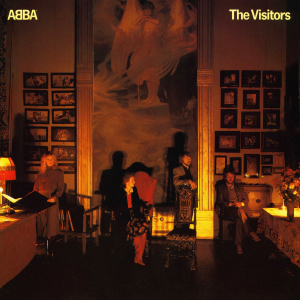
The Visitors cover

The Visitors 1981 ★★★★½

The Visitors is ABBA’s swan song—that is, apart from that brief resurrection forty years later. But it doesn’t sound like a farewell so much as a door opening into a colder room. The shiny Euro-pop machine is still here, only the lights are dimmer now. Moody synthesizers have taken over. What used to be big bittersweet emotions have sunk into something far sadder. Yet the melodies are strong enough that everything still feels like it’s levitating. An album with a strange power. “One of Us” is the obvious classic—a song about the persistent ache of loneliness. It’s bleeding internally, yet the chorus somehow still finds the energy to soar. “Head Over Heels” has a jazzy little strut without breaking the album’s darker synth spell—Agnetha trying to sound chipper in a dank nightclub. One of my favorite vocal performances on any ABBA record. “I Let the Music Speak” and “Slipping Through My Fingers” are hopelessly beautiful ballads. The title track is strange and tense too, political paranoia dressed in immaculate pop clothes. Even the bonus tracks matter. “Under Attack” is their last great single, and “The Day Before You Came” is a synth-pop epic so quietly devastating everybody should hear it at least once. “Two for the Price of One” might be the weak spot. The lonely-hearts-ad premise is a little smarmy. But the hooks are still there, and it doesn’t puncture the album’s spell. Otherwise, this is haunting, gorgeous stuff. It finds ABBA in darker, trickier emotional territory, staring into the abyss without forgetting how to write a chorus.

Live cover

Live 1986 ★★½

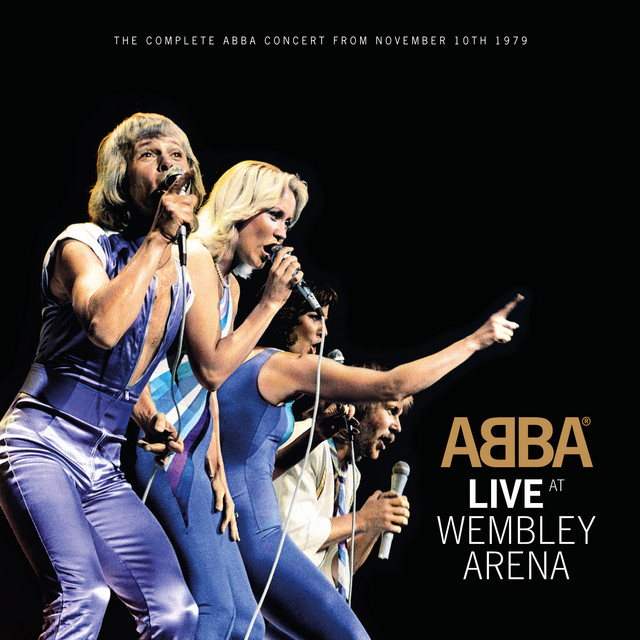
There was never much chance ABBA would sound better live than they did in the studio. It’s nothing to despair over. Just like you don’t despair that gravity causes things to fall. The studio records had shimmering vocals and immaculate production—rife with countless little studio decisions that could push each hook closer to perfection. Take them out of the studio and go it onstage, and of course something gets lost. Still, this isn’t bad. ABBA were perfectionists, and even live they don’t sound sloppy. Agnetha and Anni-Frid sound terrific here, and not in a polished-studio way. They really sing. Benny and Björn are there too. That is also important. Instruments are played. Guitars happen. Björn even throws in a few electric guitar solos. No, the man is not Eric Clapton. We carry on. Some songs hold up better than expected. “Thank You for the Music” has enough life in it to survive the missing studio shimmer. “Eagle” is surprisingly convincing too. I assumed the song was mostly carried by studio gloss, but the live version also manages to soar quite a bit—helped along by those guitar parts. “Waterloo” is mandatory, of course, but it doesn’t quite burst open here. “On and On and On” is the better curveball, gaining a little grit from the live treatment. Other choices are more difficult to defend. “Dancing Queen” lags a few light years behind the original. “I Have a Dream” adds a choir of children singing, because apparently the corn needed irrigation. “Two for the Price of One” being the lone selection from The Visitors is a crime against sequencing, taste, and maybe Sweden. And where are “Mamma Mia” and “The Winner Takes It All”? But a live ABBA album is still what you expect. Nice enough, then. Useful for fans who already know the studio albums backwards and want the alternate angle.