Fischer-Z

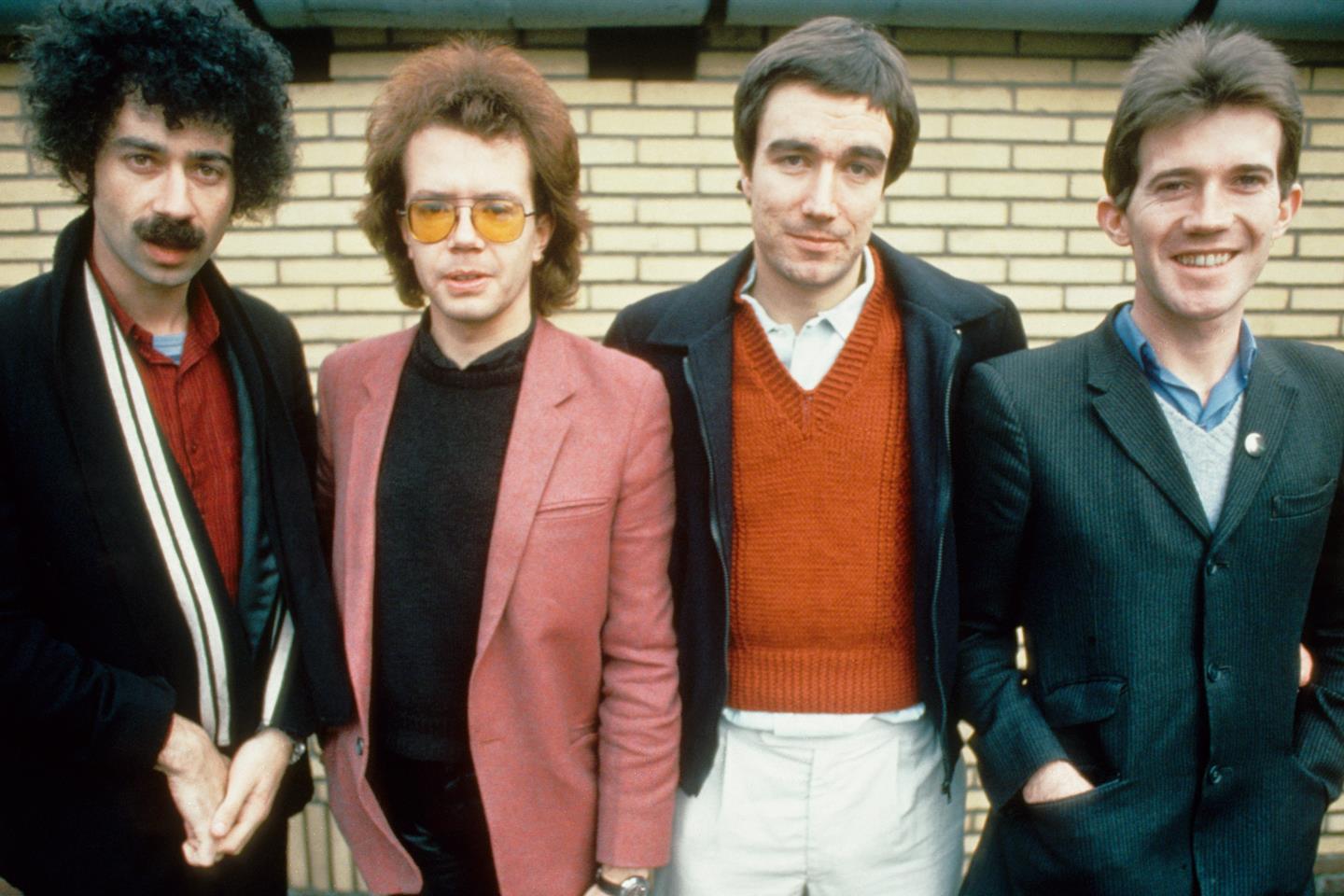
Fischer-Z promotional photo
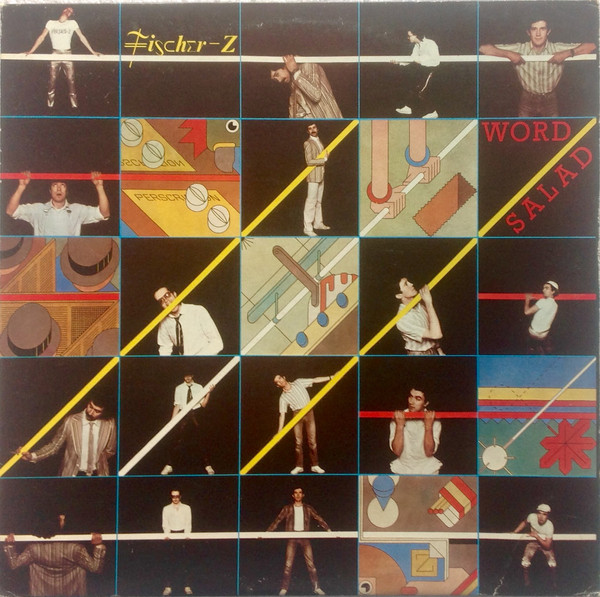
Word Salad cover

Word Salad 1979 ★★★½

One of the strange pleasures of going on these musical journeys is realizing how long it takes to get through the bands everyone tells you you’re supposed to appreciate. Then you start poking around in the cracks and find something like Fischer-Z, essentially the project of singer-songwriter John Watts, and the first thought is: who forgot to mention these guys? Not a major band. No big hits, no automatic prestige, no sacred-cow status waiting around for them. They may have needed better management. Or a clearer identity. Or both. Word Salad sounds a bit like The Police, Blondie, and The Cars got tossed into a blender, watered down slightly, then served in a nervous pub with a very good drummer. They don’t have a completely original sound. But then the songs start playing, your foot starts tapping, and suddenly the argument for greatness can wait outside. The instrumentation is bright, upbeat, sometimes ska-leaning. The lyrics are sour enough to take a bit of enamel off your teeth. Watts has a distinctive voice—though still one that sounds like it belongs on the B-roll of new wave stardom. Sharp, nasal, slightly agitated, maybe just a tad underpowered, but well-suited for these songs. Maybe audiences and critics missed Fischer-Z because they didn’t arrive with much myth attached. They just show up with catchy tunes, prickly attitude, and enough personality to make their limitations part of the appeal. Greatness was probably never in the cards, but that doesn’t mean they’re forgettable. A debut album that’s twitchy, sour, catchy—second-tier new wave in the most affectionate sense. Plenty of “better” albums have less blood in them.
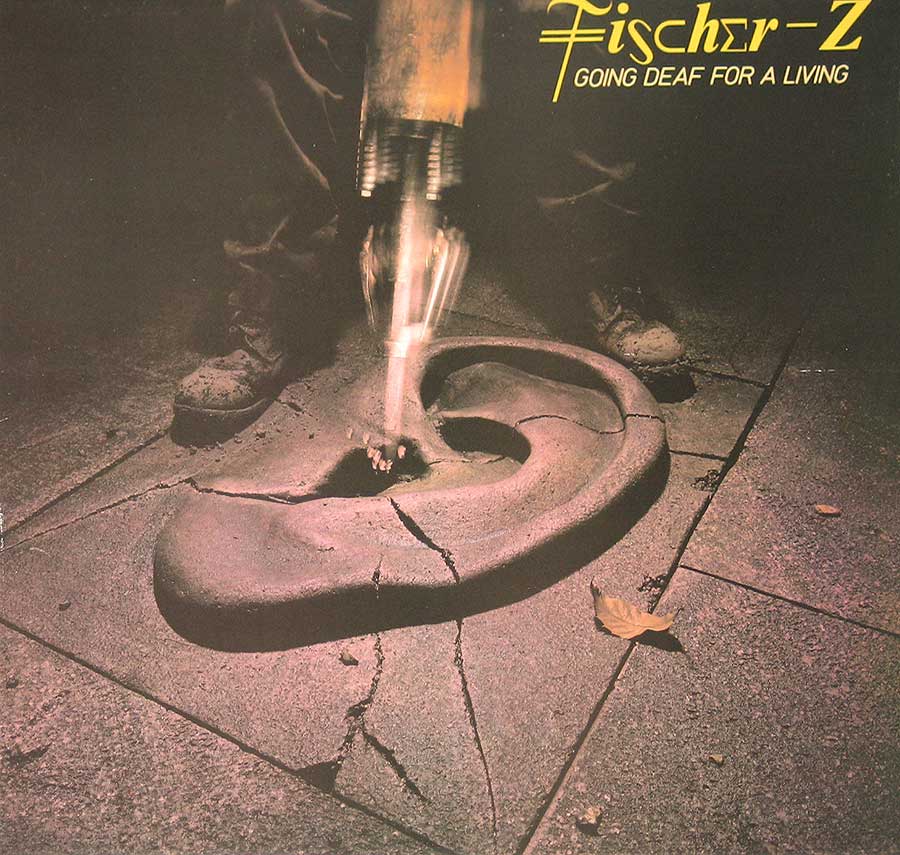
Going Deaf for a Living cover

Going Deaf for a Living 1980 ★★★★

Couldn’t get tickets to The Police at your local arena? Wander into the dusty bar down the street where John Watts and company are playing to about forty people instead, and you’d probably enjoy yourself more. This is very much in the same lane as Word Salad, only tighter, sharper, and more assured in its own sour little temperament. Watts keeps the whole thing moving with clipped vocals and songs full of office-worker frustration, social aggravation, and people who seem one minor inconvenience away from filing complaints with the moon. “So Long” is a nice mid-tempo toe-tapper, and I can’t get through the album without some part of me starting to twitch along. “Room Service” is catchy ska-pop. “Pick Up/Slip Up” is the one I can picture Parallel Lines-era Blondie covering. Tighten up the instrumentation. Put a little more snark in the lyrics. Let Debbie Harry sing it better. It might have become another beloved Blondie classic—or at least it does in the alternate universe playing in my head. Even here, it’s the kind of song I want blasting from my car stereo while I drive faster than I probably should. While Going Deaf for a Living isn’t one of the landmark new wave albums, it still has invention, bite, momentum, and enough prickly personality to make its second-tier status feel almost like a virtue. Lots of albums we’ve actually heard of have much less going on inside.

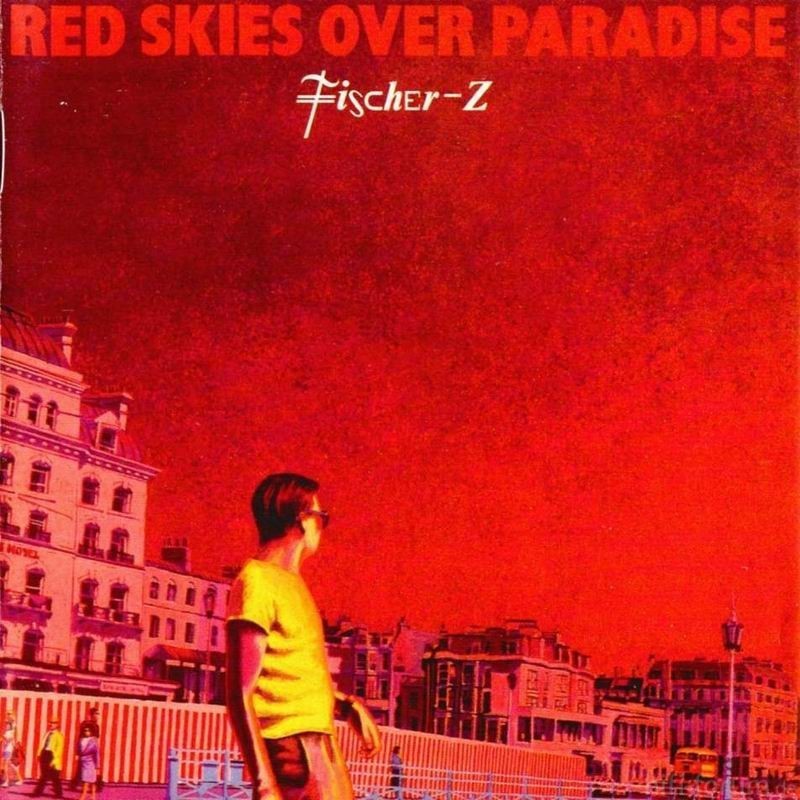
Red Skies Over Paradise cover

Red Skies Over Paradise 1981 ★★★

By their third album, Fischer-Z have traded twitchy new-wave sarcasm for fuzzier guitars, darker skies, and the general feeling that Europe has developed a headache. This was the final record from the band’s original run, and it rocks harder than either of the first two—thicker, harsher, less playful. The songs still have hooks, because John Watts doesn’t seem capable of ignoring a melody, but they don’t grab as quickly this time. The Cold War mood is everywhere. Even when the songs bounce, they bounce anxiously, like someone read the bad news in the morning paper. Even the brightest, springiest track here, “You’ll Never Find Brian Here,” is about a teenage runaway who is never expected to come back. A few tracks work the band’s reggae angle. “Cruise Missiles” is the most interesting one: a slow reggae lurch with fuzzed-up guitars and a low, buzzing synth, giving the track a nice bunker mood. “Wristcutter’s Lullaby” seems provocative based on the title, but it’s really more about someone realizing they contributed to another person’s emotional mess. “Song and Dance Brigade” is a minor highlight—a dark, stiff, theatrical dance for stormtroopers. Overall, Red Skies Over Paradise is a fine album, but the darker mood feels like a tradeoff. The earlier albums had a playful smirk. This one decides that humor can wait until after the apocalypse.

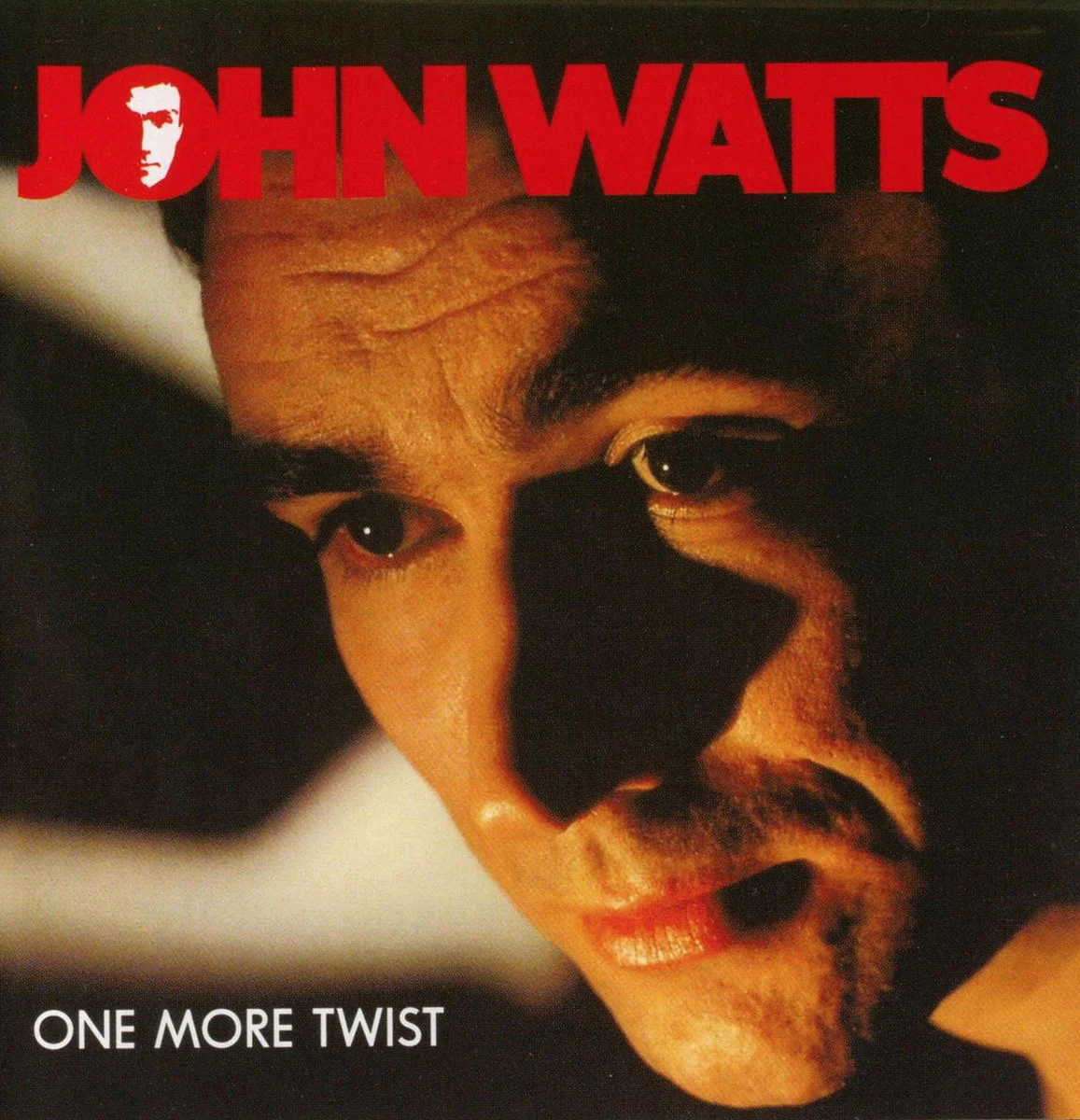
One More Twist cover

One More Twist 1982 ★★★½

Released by John Watts

John Watts temporarily dismantled Fischer-Z and went wandering off alone, presumably to get some solo-album blood into the system. One More Twist strips him down pretty hard: voice, electric guitar, bass, whatever thoughts he had rattling in his brain. At first I missed some of the instrumental flourishes that made those early Fischer-Z albums so immediately appealing. This album also doesn’t have the kinds of melodic hooks that stand there and wave at you. You have to work your way toward these songs a little. The same way you did with parts of Red Skies Over Paradise. But once the album starts opening up, there’s plenty to grab. The songs have a dry little crunch to them, and the bass lines turn out to be sneakily terrific. With the simpler instrumentation, Watts’ writing gets more room to speak to you directly. “One Voice” is easily the standout, a sharp generational kiss-off where the old hippie comfort blanket gets tossed into traffic. “There’s a new generation that’s sick of blowing in the wind / The love cures all mentality is finally coming to an end.” “Lagonda Lifestyle” rides a great walking bass line, while “Carousel” creeps along on a haunted rhythm before breaking into a chorus that gives the whole thing a black little shiver. Good, solid, strange little record. Just about as good as any Fischer-Z album—so don’t skip it if you’re making the trip.

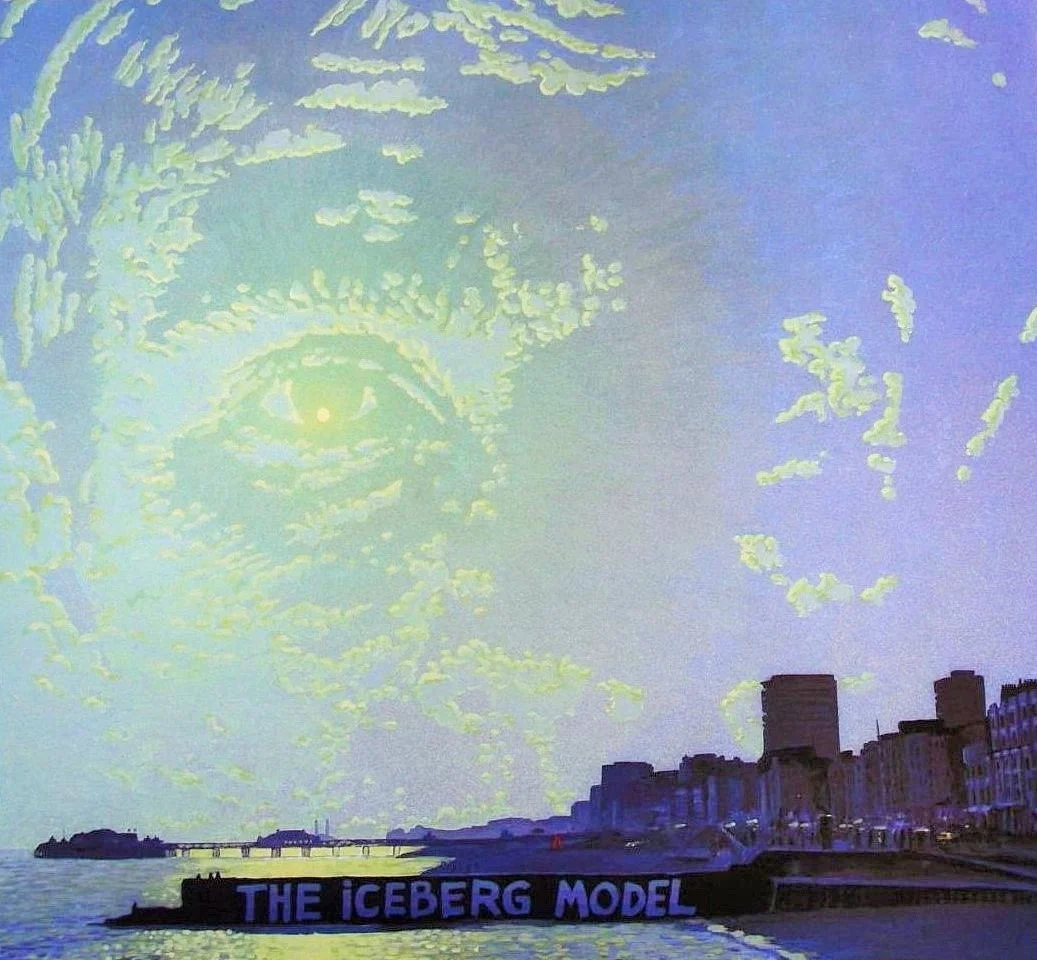
The Iceberg Model cover

The Iceberg Model 1983 ★★★½

Released by John Watts

John Watts opens the windows a little wider here. The hooks are still there, but The Iceberg Model ventures into colder and stranger territory. It’s more theatrical and inward-looking. This isn’t dance music for neurotics. It’s new wave for people who write down their feelings in journals. Watts is more observant here, more personal too, less interested in esoteric observations and more drawn to the private stuff under the skin. Call it groove music for the thinking man. Vaguely like Talking Heads, but more primal. Still operating somewhere in that same ecosystem. A peg or two below great, but I keep wanting to come back to it. “Man in Someone Else’s Skin” incorporates crunchy saxophones in a danceable, glammy ’70s way. “I Was in Love With You” cuts deeper—it’s about unrequited love, rather plainly stated, but there’s no need to dress it up. Then the title track wanders in from some art-school basement. It feels much closer to modern classical than pop song—atonal orchestration, high synthesizers zipping overhead like fireworks, low bubbling sounds underneath. It’s mostly atmosphere, but it ends up making a good listen. Overall, an entertaining and intelligent new wave album. Don’t come expecting radio polish or easy jerky-dance pleasures. This is colder, stranger, and more willing to roost in unusual places. Yet for an album clearly camped in art-school territory, it stays surprisingly accessible.

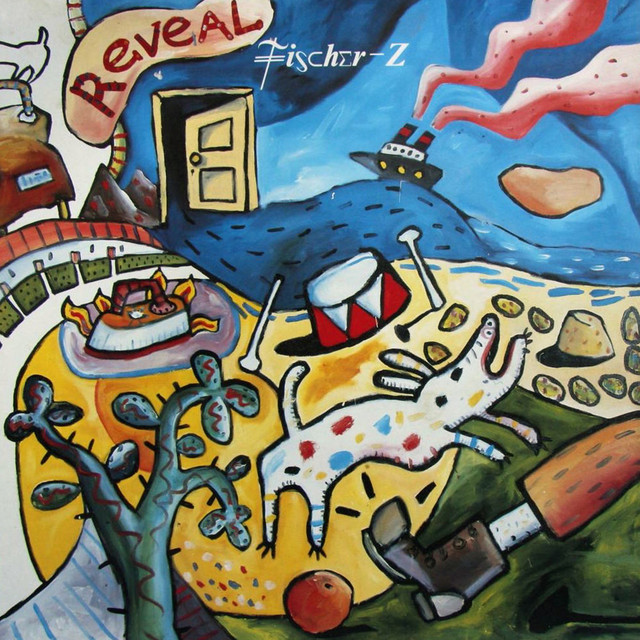
Reveal cover

Reveal 1987 ★★★½

John Watts is back under the Fischer-Z banner, though not much else old comes with it. The lineup is new. The sound is new. The old wiry new-wave thing has been mostly replaced by a more scattered, studio-curious pop record. But Watts gives the album enough melody to survive its own restlessness. One minute he’s taking apart Thatcher-era capitalism with a catchy little pop song. The next he’s wandering into quirky art-pop territory—loading his song with odd keyboard textures, sound effects, drum machines, and whatever else he felt like playing with that afternoon. It’s eclectic, but it never feels desperate. The melodies keep your ears glued to most of these songs. “Tallulah Tomorrow” wraps a beautiful melody around a bleak little story about a woman dying alone in front of the television. “Big Drum” lightens the mood somewhat—built around jangly guitars and a beat that gives the song some bounce. “Heartbeat” is stranger and better still. It opens like some forgotten experimental single from 1979—chanting voices, drum machines, nervous energy—before expanding into a huge chorus complete with booming drums and synth-horn blasts. Had Watts been feeling commercially ambitious, maybe he could have handed that to Bananarama and bought himself a vacation home. The only song that never quite wins me over is “Realistic Man,” whose repetitive violin figure eventually wears me out. Otherwise, this is a charmingly esoteric pop record. It’s a grab bag of melodies, studio noises, and sour little observations, none of which seem especially interested in standing in a straight line. But the album works anyway. Like opening a tote bag and being weirdly pleased with nearly everything inside.