Klaatu

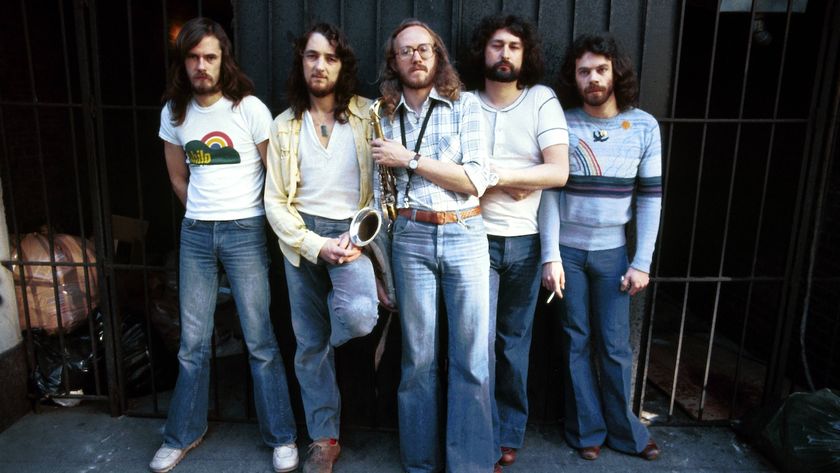
Klaatu promotional photo
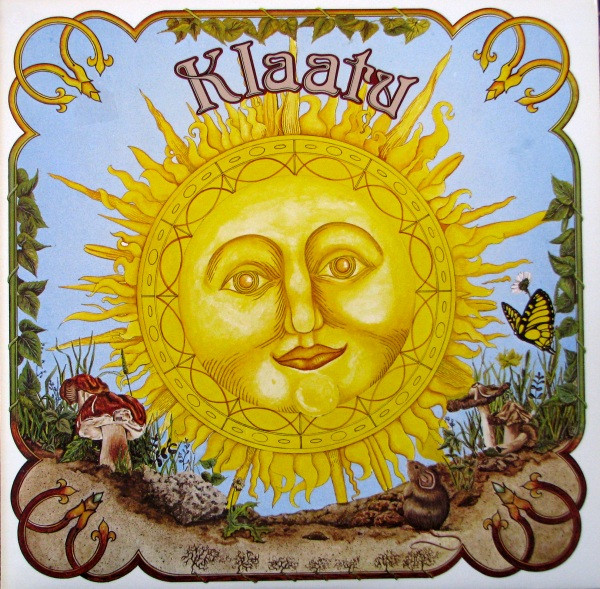
3:47 EST cover

3:47 EST 1976 ★★★

Klaatu are mostly remembered for a bizarre rumor some journalist started that they were secretly The Beatles. Not sure what kind of stereo equipment people were working with in 1976, but the voices alone should have put that matter to rest automatically. Still, I get how the rumor started. The distinctly Beatles-esque harmonies. The cute little melodies. The psychedelic bent. A band doesn’t walk around sounding this Beatle-y by accident. But the second coming of the Fab Four it isn’t. Give the album some cred, though, for being a ’60s psych-pop throwback when it was uncool. Sort of like Big Star, except way geekier. The opening track, “Calling Occupants of Interplanetary Craft,” is terrific—among the finest cornball science-fiction songs in our pop lexicon. It’s based on a real thing that happened, apparently—when people collectively tried to cast telepathic brainwaves to the outer reaches, hoping to intercept spaceships that happened to be passing by. You never know till you try, right? “Sub-Rosa Subway” has some nice Beach Boys-style harmonies, while “True Life Hero” wanders into power-pop territory and immediately gets me tapping my foot. An oddball addition is “Sir Bodsworth Rugglesby III”—a song that sounds like Rowlf from the Muppets vamping at a piano in a vaudeville music hall. Not a great song, exactly, but I can at least appreciate its goofy flavor. “Little Neutrino” is a harder sit, though. Eight minutes of processed robot vocals through some kind of vocoder device, in an atmospheric mood. Has some decent build-up, but its musical ideas come off too repetitive by the end. Altogether though this album is a charming if uneven oddity. It might not be The Beatles, but I suppose just the fact that they got mentioned in the same breath as them is the highest compliment they could have hoped for.
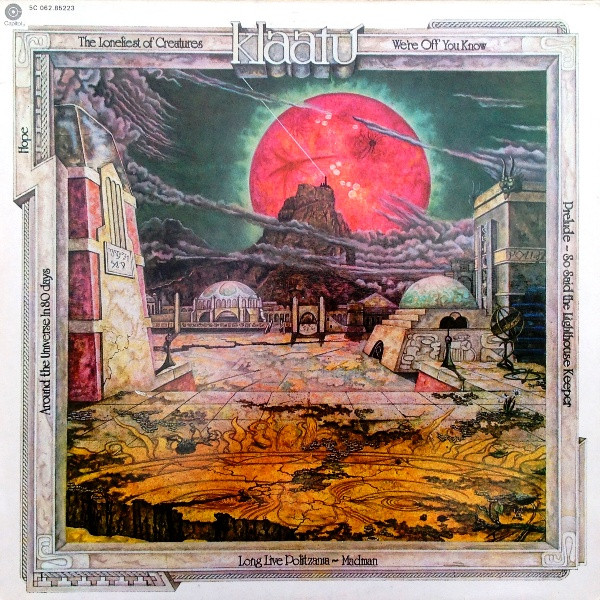

Hope cover

Hope 1977 ★★★★

Well, I’ll be hornswoggled if this album isn’t just delightful. A major step up from the debut, even if it doesn’t have one single moment as transcendent as “Calling Occupants of Interplanetary Craft.” Instead, Hope gives us something more fully conceived: a strange, playful symphonic suite, with songs bleeding into each other like Klaatu decided the second half of Abbey Road needed more spaceships, vaudeville, and community-theater grandeur. Canadian Beatles, if you insist. But also Canadian Queen, Canadian ELO, Canadian circus troupe that found its way into prog somehow. Even the Queen of England seems to get a fanfare or two in here. The classical influence is everywhere—rock instruments arranged with symphonic ambition, big melodic gestures, little theatrical detours springing up like blossoms under your feet. “Long Live Politzania” sounds like semi-comical musical theater with galloping horses. “Madman” is surprisingly unsettling, considering how much of this album otherwise just wants to smile at you with painted cheeks. “Around the Universe in Eighty Days” is an effective cosmic ballad that doesn’t quite take itself seriously but almost does. The album as a whole might be a few notches below genius, but it’s impressive as hell and hugely enjoyable. Well composed. Constantly shifting. More playful than serious. More theatrical than sophisticated. I’d been aware of Klaatu for decades as the band with the Beatles rumor attached to them who did “Calling Occupants.” Turns out they had more going on than that. Who knew? Well, Klaatu fans, probably. Maybe they should have been louder.

Sir Army Suit cover

Sir Army Suit 1978 ★★★½

After the wayward prog detour of Hope, the Canadian Beatles more or less return to what they do best—brightly arranged pop songs that carry Fab Four DNA. But even compared to 3:47 EST, this collection of retro-oriented pop songs is lighter and catchier—much less concerned with building a giant conceptual universe around itself. The whole thing moves with a nice bounce. “Everybody Took a Holiday” is straight out of the Magical Mystery Tour drawer—and it’s a pleasant, playful little throwback. “Juicy Lucy” has the saxophones, the pounding beat, and the kind of melody that makes it an easy listen. “Older” is heavy enough that a metal band might have been able to work with it. It has a big riff with a darker stomp. But Klaatu aren’t much for heavy-metal menace. Their vocals sweetened but anxious and lyrics about aging. “Perpetual Motion Machine” could be the album’s sleeper standout. Quick-moving keyboards, a scampering rhythm, and a dreamy chorus that keeps climbing upward in a really satisfying way. Then there’s the closing song “Silly Boys,” where the band appears to be amusing itself by mangling the vocals in strange ways—possibly backwards. Maybe phoned in from another dimension—hard to say. No real dull spots. The melodies keep taking these slightly crooked little turns, and the arrangements have enough odd flourishes to keep the whole thing from getting too polite. Klaatu were a clever little pop band—far more than a misplaced Beatles rumor.

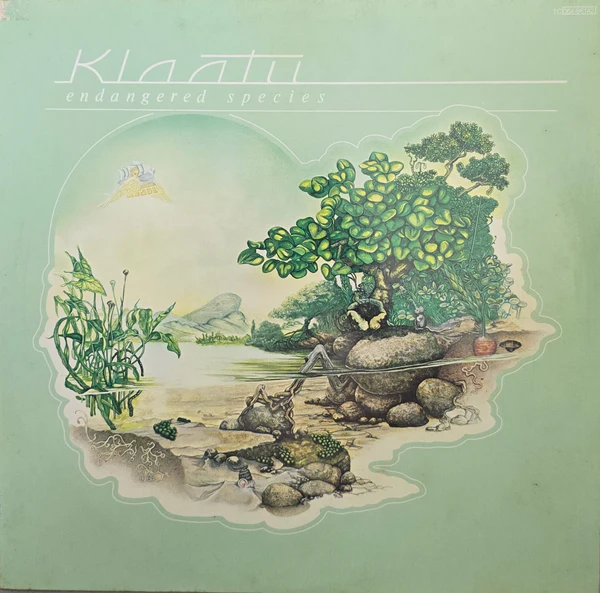
Endangered Species cover

Endangered Species 1980 ★★★

The bloodthirsty music writer in me was ready to pounce on this one. Endangered Species has the reputation of a letdown: not only a commercial and critical disappointment, but the album that got Klaatu dropped from their label. I expected a disaster. What I got instead was a fun pop-rock record. Not peak Klaatu. Their strange, lovable geek personality is more obscured here, tucked inside upbeat, streamlined songs. The Beatles-posing has also mostly been cleared out, and with it some of their flavor—although the closing track, “All Good Things,” sounds like it could have wandered off one of Paul McCartney’s Rubber Soul outtakes. “Sell Out, Sell Out” hints at the tension that might have been going on: prog eccentrics trying to figure out whether going commercial is strategy or surrender. “Knee Deep in Love” could pass for early ’70s Bee Gees, while “Howl at the Moon” is a thumping good time with what sounds like gypsy violin sawing away. “Set the World on Fire” brings a little glam sparkle, and “Hot Box City” could almost be post-ELO Roy Wood—which means we should probably stop pretending that’s a problem. An insubstantial but consistently enjoyable album. Sit back and rock with the Beatles-ish prog guys going pop.

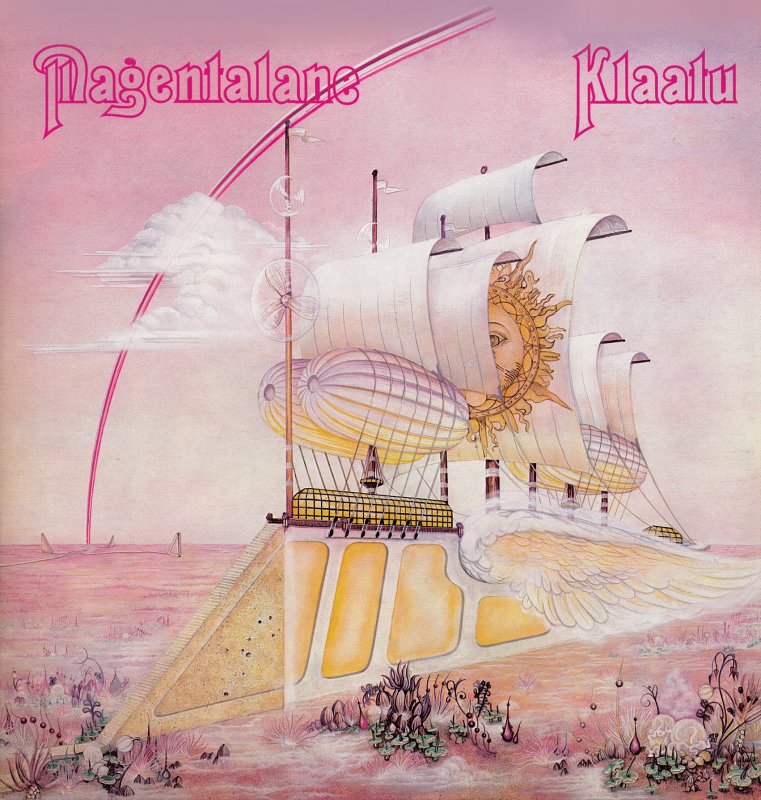
Magentalane cover

Magentalane 1981 ★★½

A bit of a disappointing last gasp. The previous album’s power-pop detour went over like a lead balloon, and the band were dropped from their label afterward. Which feels a little unfair because I liked that one. It had energy. A solid pop-rock engine underneath it. Magentalane still has some decent songwriting, but the production has gone hollow, like the whole thing has a molded-plastic finish. Smooth and bright but awfully short on flavor. “A Million Miles Away” is easily the standout, with the breezy warmth of contemporaneous George Harrison—something he could have re-recorded for Gone Troppo in 1982, and it would have fit surprisingly well. “The Love of a Woman” is another keeper—an upbeat, melodic, foot-tapping pop number with a melody strong enough that you almost don’t notice how sterile it sounds. “Blue Smoke” is similarly enjoyable, starting out with some barroom-rock swagger. Like ZZ Top except made of Styrofoam. Then it morphs into one of the album’s more playful passages, with a xylophone poking through the groove like somebody left the toy chest too close to the studio. There are hooks here, no question. The problem is that the thinness robs the songs of personality. The previous album also had some of this same quality, but there was a much sturdier pop-rock engine underneath it. Still, they could write a pop song. They just started packaging them too cheaply.