Pablo El Enterrador

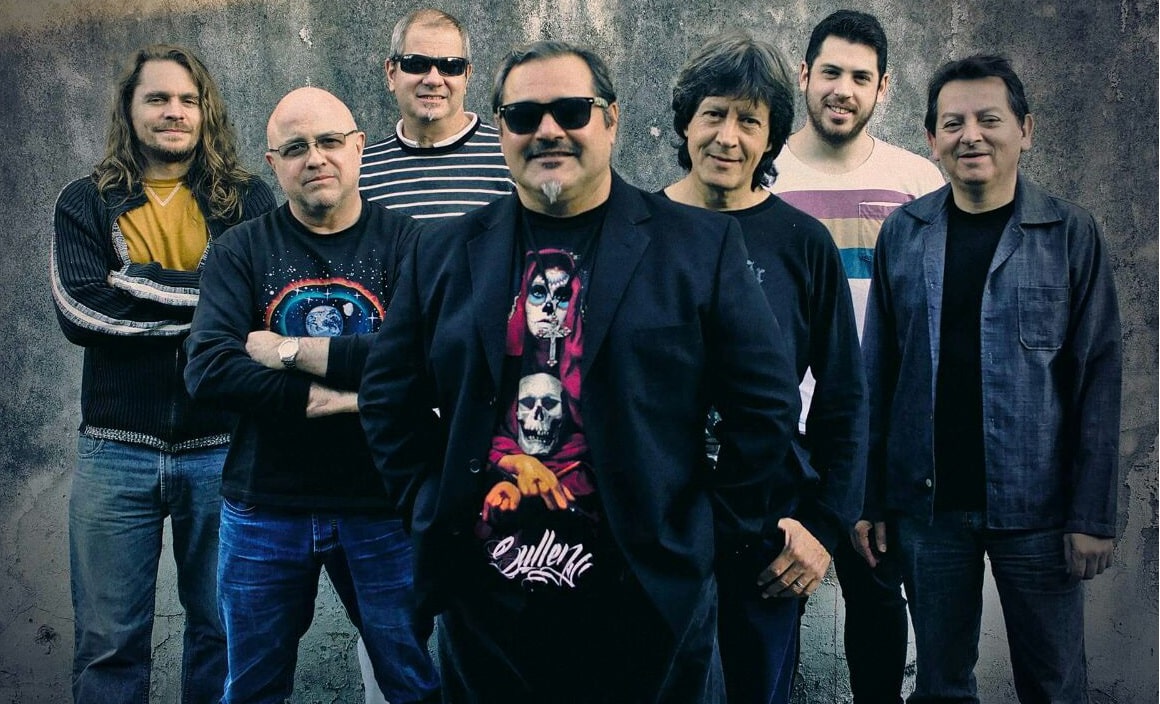
Pablo El Enterrador promotional photo
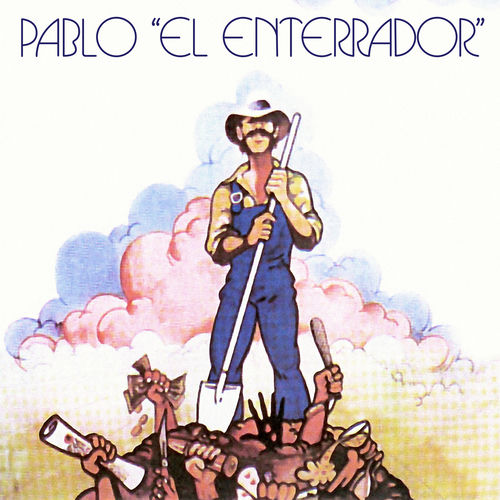
Pablo El Enterrador cover

Pablo El Enterrador 1983 ★★★½

Graceful Argentine prog with its hands cupped over its ears and aimed at old England. Pablo El Enterrador formed in the early ’70s, though this first album didn’t show up until well into the ’80s, held up apparently because the country’s fascist government didn’t care much for things that didn’t come with a grim face and military digs. These guys were clearly carrying early Genesis around in their bloodstream, but they weren’t tracing the furniture. They take the pastoral side of prog. The soft hills, the candlelit keyboards, lyrics maybe about a forest. I don’t speak Spanish. Translated song titles include “Paper Elephants,” “Faded Spirit,” “Who Spins and Who Dreams.” The vocals from José Maria Blanc are gorgeous: operatic, gentle, a little too sweet to be Peter Hammill, a little too mannered to be folk. Maybe honey-glazed Franco Battiato. Melodies come out like flowing water. Nothing spectacular, but they keep leaving little things in your path. Not many show-offy instrumental passages here, either. None of those big Yes keyboard solos or guitar parts. But the concentration is on texture, and those are superb. Warm keyboards, thoughtful chord progressions, everything folded neatly into everything else. It doesn’t send me into a mystic state. But it does make me think about lying in a field to regard the wildflowers and maybe briefly understanding what flutes are for. Great pick for egghead prog nerds looking for deep cuts.
2 cover

2 1998 ★★★½

It took Pablo El Enterrador quite a while to release their sophomore album. In 1983, their early Genesis brand of prog was already 10 years uncool. By 1998, it was positively prehistoric. Any band still wanting to call themselves prog had gone a more abrasive route, like Dream Theater. Pablo El Enterrador never even pretended to be cool. Nobody makes an album like this for trend reasons. You make it because somewhere in your soul there’s a country meadow, two keyboards stacked on top of each other, and a six-minute passage that needs to be worked out. This is graceful, pastoral, dramatic, full of pretty melodies and those complicated time signatures the genre requires by law. You can hear the newer technology, though. Unmistakably removed from the early analog days. You hear it mostly in how crisp everything sounds—the drums especially—and how cleanly mixed the whole thing is. To my ears, it’s more graceful than their debut, and more dramatic as well. Not a huge amount of instrumental variety: mostly guitar, keyboards, and drums doing the expected prog handshake. But they know how to develop epic little stories out of those ingredients, even if I can only get summaries of them because, alas, I am not a Spanish speaker. The result is terribly evocative and relaxing—if you have the correct illness. Anyone who isn’t already a prog-head could have trouble with it, but on the other hand, this is all very pretty. No big abrasive shifts at all. The vocals are gorgeous again, maybe even better here than on the debut. That high-pitched operatic vibrato gives the music a real lift, and José Maria Blanc is one of the more beautiful singers in prog. My main complaint is that the album doesn’t have many individual tracks that stay with me afterward. It’s more of a flowing pastoral spell than a collection of knockouts. Not a great prog album, maybe, but an undersung one—and if you’re the sort of nerd who still responds to this stuff, you’d have to be pretty committed to misery not to enjoy its beauty.

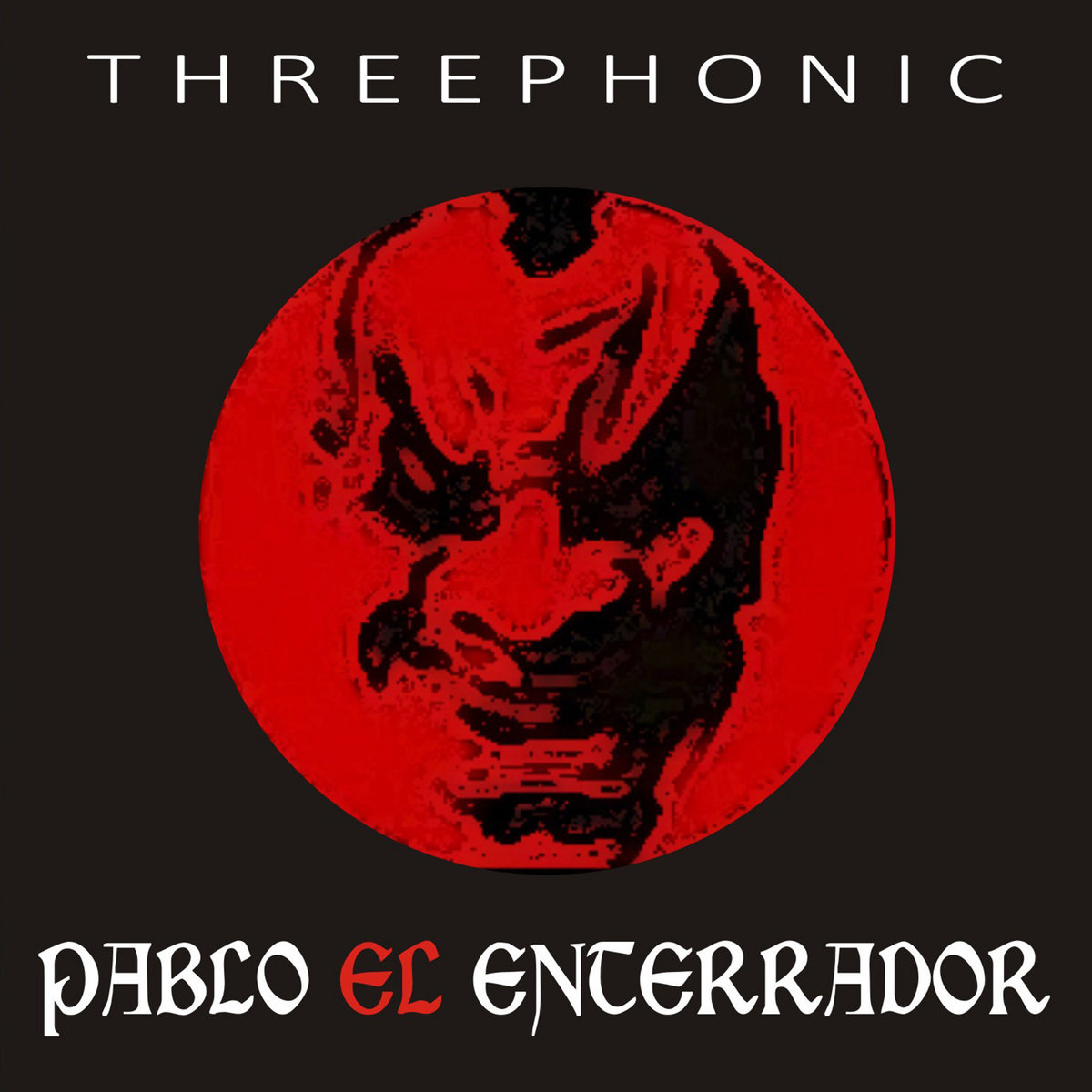
Threephonic cover

Threephonic 2016 ★★½

Well, if anyone still needed proof that I’m a keyboards guy—beyond the mountain of evidence already glaring from this site like a lighthouse beam in your face—here it is. Pablo El Enterrador return to the studio decades later, but keyboardist Turco Antún isn’t there anymore. He died of cancer in 2005, and whether or not that explains the shift, this album certainly feels less keyboard-led than the earlier records. The keyboards are still here, but now they’re buried behind the guitars—reduced from a defining presence to something you have to go looking for. The result pushes the album closer to Rush-style professor-rock than peasants-toiling-in-a-field-rock Genesis. I believe the historical record will also show that I am a Genesis man. The bigger problem, though, is the mix. I can mourn the missing keyboard glow, but José María Blanc’s beautiful voice shouldn’t sound like it’s trying to reach us from the soundstage next door. There are still complex, evolving textures, some decent melodies, and a place or two where the old pastoral beauty is able to peek through, but the whole thing feels blurrier, heavier—less magical. It’s certainly no disaster, though, or even a major disappointment. It’s intelligent and very well-developed music. It’s just missing that earlier diamond-in-the-rough quality: the thrill of finding some strange little prog relic in a dusty bin and getting the urge to tell the nearest three people about it.