Paula Abdul

Paula Abdul promotional photo
Straight Up cover

Straight Up 1988 ★★½

Janet Jackson for kindergartners. Paula wasn’t as sexual, so moms from the Midwest didn’t have to worry quite as much about the loss of their sons’ innocence or their daughters being lured into the stripper-industrial complex. She was a top-tier choreographer, but her singing chops were so-so—nothing a little digital enhancement couldn’t spackle over. The pop hooks were also middling, though if you keep listening to some of them, they kind of grow on you. Abdul’s tight, kinetic dance energy and sultry film-noir facial expressions gave her a pretty unique image for MTV. The sound is New Jack Swing: super-slick synth bass, loud drum machines, and neutered electric guitar. I grew up with this stuff, so yes, I find the whole thing pretty nostalgic. The drawback is that there’s not much variety to the album—most of the songs can be described the same way, apart from the occasional vacuous ballad. They often lack a chorus, though the better ones still manage to be fairly infectious. “Straight Up” has the coolest music video of them all—clean black-and-white, nothing getting between the camera and her moves.
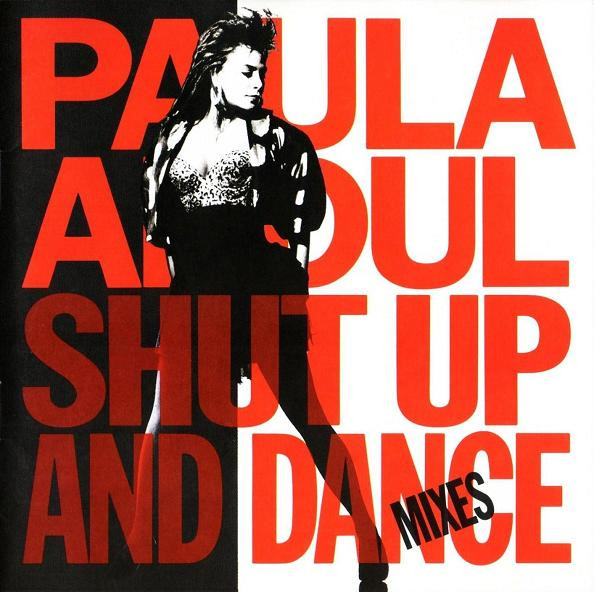
Shut Up and Dance cover

Shut Up and Dance 1990

Remix Album

The purpose of remix albums evades me because I’m a dork who listens to music in my basement. Not someone about to time-travel to 1990 and sweat under club lights. Removed from that context, all I can hear are the songs. Many quite lackluster in their original form, but these remixes hardly bring out anything new. Unless you count stretching them out and making them more irritating. Longer running times, familiar New Jack Swing rhythms except dressed up with more techno loops, bigger drum hits, awkward starts and stops. No thanks.

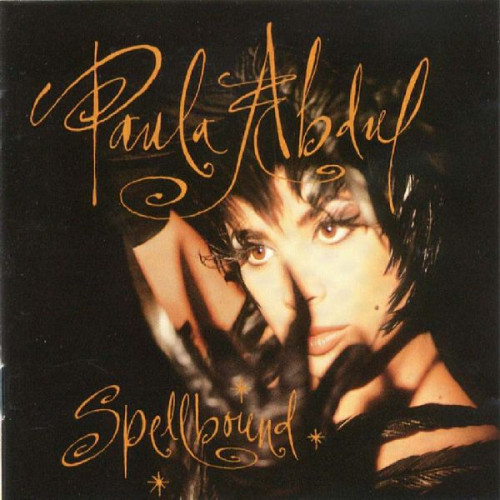
Spellbound cover

Spellbound 1991 ★★

The nice thing about getting away from the New Jack Swing sound is that it gives the producers an excuse to expand the palette a bit. Abdul strides into the ’90s, because that’s the sort of thing people were doing in 1991, and veers off into techno territory, fake tropical beats, and other shiny studio surfaces. For whatever reason, I’m really liking the heavily tropical-inspired techno groove in “Alright Tonight.” It has exactly the sort of fake island-party rhythm I should roll my eyes at, and yet there I am, grooving with Paula. Otherwise, I do want to find good reasons to like what I’m hearing, but there’s not much here. “Rush Rush” was the big single at the time. It’s a ballad, though, which means no flashy high-energy choreography in the music video. It’s also a fairly thin and sluggish song, built on a slow, processed drum beat, electric piano, and Abdul trying to stretch her vocals past where they can reasonably go. At least it isn’t as bad as the awkward closing song, “Will You Marry Me,” which has a clunky texture and a melody so dull that I start admiring my own endurance. Still, there are flashes here and there. Those goofy opera voices popping up in the middle of “Vibeology” are weirdly fun, and the dance groove is infectious enough. Prince contributes a song, “U,” which strangely pales in comparison to “Vibeology.” In the end, this can be pretty roundly deemed as a skippable album. Though I sure didn’t.

Head Over Heels cover

Head Over Heels 1995 ★★

I’ve not been too kind to Paula Abdul’s albums, and history is not exactly on my side. People bought these things by the truckload. But I’m not here to argue with the public. I’m only here to argue with my own ears. And they’ve been giving Abdul a mildly disappointed look for three albums now. This was her third and final studio album. Gold record, technically. But after Forever Your Girl and Spellbound, Gold wasn’t a triumph as much as her audience saying their polite goodbyes. I’d have trouble calling Head Over Heels her worst album. For the variety alone, it almost beats Forever Your Girl in my private Abdul court. Then the clock starts making itself known. Thirty minutes in, I’m already studying the ceiling tiles, and there’s still another thirty minutes to go. But there are some keepers here. “My Love Is for Real” is thick dance-pop with South Asian textures, a hazy atmosphere, Abdul fitting herself well into the mood. “Ho-Down” pokes around swing filtered through a ’90s R&B lens. Curious idea, middling payoff. “Under the Influence” opens like some lost psychedelic-pop relic, which briefly puts Jellyfish in my head, but then falls into general Madonna-style pop. The album does that a lot, flashing something interesting before returning to business as usual. There’s plenty of variety here, but very little follows me out of the room afterward.

Greatest Hits cover

Greatest Hits 2000 ★★

Compilation

All the Paula Abdul the average person ever needs—if any—is contained in the first six tracks of this greatest-hits compilation: “Straight Up,” “Cold Hearted,” “Forever Your Girl,” “(It’s Just) The Way That You Love Me,” “Knocked Out,” and “Opposites Attract.” Including “Vibeology” was also a wise decision. Otherwise, we get the non-album singles “Bend Time ’Round” and “Crazy Love,” which have beats you can dance to, naturally, but not much else to recommend them.

Greatest Hits: Straight Up! cover

Greatest Hits: Straight Up! 2007 ★★

Compilation

Heck! Paula Abdul released a greatest-hits album in 2000 and her recorded output since then had been roughly nil. The reason for the repeat action should be obvious enough, though. Since 2000, she had enjoyed a major resurgence in popularity as a judge on American Idol. Here is your requisite cash-in. If you want advice on which greatest-hits album to listen to, make it this one, because it has two more songs on it, including the Top 20 hit “Will You Marry Me.” She’s also showing more ankle on the cover. Do you need a third reason?