Randy Newman

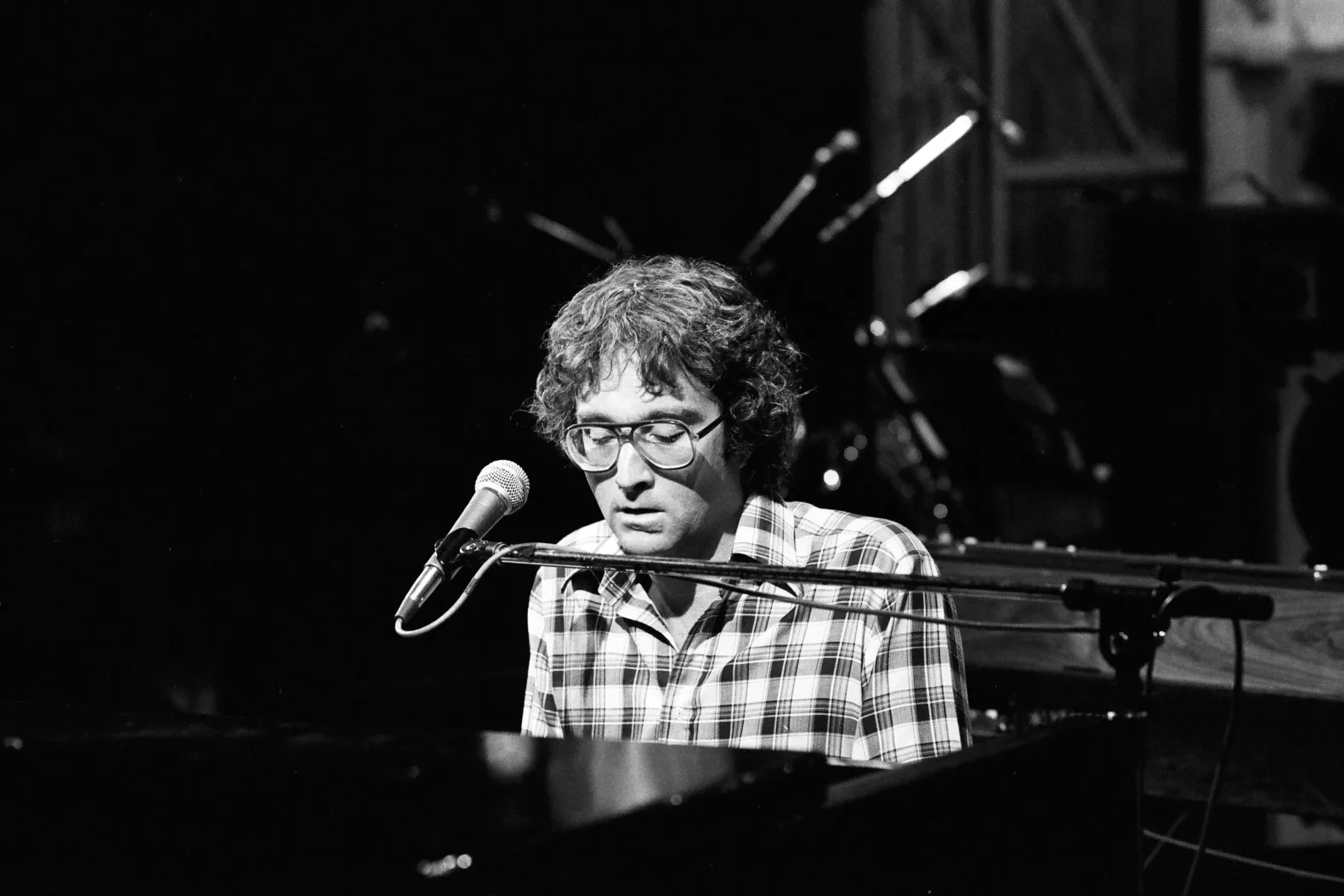
Randy Newman promotional photo
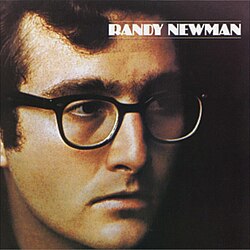
Randy Newman cover

Randy Newman 1968 ★★★½

Long before Randy Newman became the patron saint of emotionally complicated toys, he made this strange, bleakly orchestrated debut. In 1968, everyone seemed to be getting psychedelic or stripping folk music down to the bone. Newman takes a different door. He brought out an orchestra—albeit a relatively minimal one. Sad sacks, the lot of them. Mournful strings. Sighing brass. Even a mandolin, because nothing smells like melancholy more than a mandolin. This album sounds like Newman wrote the soundtrack to a sad little movie that only he can see. Even the songs that sound rather upbeat are carrying bleak news. “Bet No One Hurt This Bad” has a sad title but a brighter flavor to the instrumentation—enough that I thought the lyrics were supposed to be ironic. But they’re not. The song is about a man staring at the rain through the window, wishing that his “baby” would call or write. Still, that song and most of the others stick with me: the plainness of Newman’s voice, the strange melodies and harmonies, the sense that he notices things about humanity that most other lyricists walk right past. “Love Story” opens the album with this innocent sweetness before the orchestra rushes in like feelings arriving all at once. “So Long Dad” turns sentimental without becoming syrup. “Linda” is so cinematic that it practically demands a bittersweet romantic comedy to be built around it. Even the darker songs keep bumping into Newman’s sense of humor. The album sags now and then, for sure, and it’s not all that fun to sit through. But there’s too much unmistakable Randy Newman-ness to ignore. So break out the Kleenex, arrange that melancholy face of yours, and prepare to grin tiredly through all your misery.
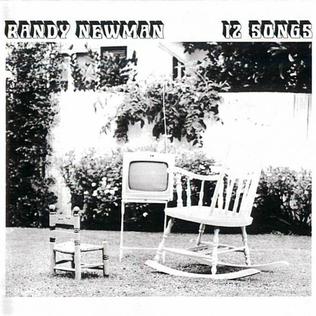
12 Songs cover

12 Songs 1970 ★★★½

Randy Newman cannot tell a lie. After an in-depth investigation, I can confirm that this album indeed contains twelve songs. The gloomy, minimalist orchestration that defined his debut album has packed up and gone off to depress something else. A standard pop-rock combo shuffles in, and Newman starts rummaging through an American songbook he found in a thrift store. Barroom R&B, old show-tune bones, country-western, a few blues numbers that sound like they were left out to rust a bit. “Have You Seen My Baby?” opens the set with a loose New Orleans bounce. It’s upbeat, but it wanders into the saloon like it already knows who in there is going to disappoint him. “Old Kentucky Home” slides into country-western territory, bringing along some acerbic humor with it. “Shootin’ at the birds on the telephone line.” “Yellow Man” has the usual Newman contradiction—a light, catchy tune, and also a piece of satire dangerous enough to punish anyone listening casually. “Mama Told Me Not to Come” is probably the one song here most people know—maybe due to the Three Dog Night cover. A party anthem about looking around the room and regretting every party invitation he’s ever gotten. “Suzanne” gets quieter and heavier—Newman hunched over the piano, sounding—at just twenty-six—worn out by humanity. Overall, a sturdy Newman record. Funny in that dry, slightly sour way of his. Plenty of solid melodies overflowing with his crooked views of humanity.

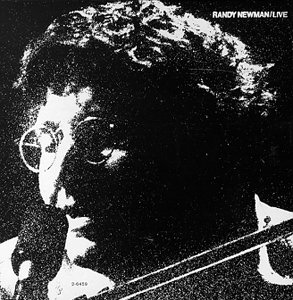
Randy Newman Live cover

Randy Newman Live 1971 ★★½

Randy Newman’s first official live album began as a radio promo that was recorded in front of an audience so small that you can hear the individual claps. Newman jokes around, takes requests, sits there with only his piano. Which works fine for him. Many of his songs were already halfway there—even with the debut having its gloomy little orchestrations and 12 Songs had some band grease on it. Here, the orchestration gets stripped out, and the songs are left standing there in their undershirts. “Living Without You” and “I Think It’s Going to Rain Today” were already slow movers for me. Here they feel even thinner. Newman can write melodies, but not always the kind that enjoy being left alone in a room. But the album is still good company. The highlight is “Yellow Man.” Still a sharp song without the horns and drums. He introduces it carefully enough to make sure nobody calls the station in a rage. That kind of thing is the value of the record. Hearing these songs reduced to their small-room versions, with Newman’s dry little explanations attached.

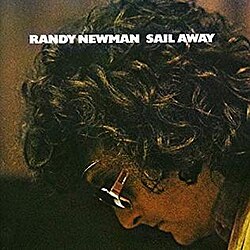
Sail Away cover

Sail Away 1972 ★★★★½

The first two Randy Newman albums had plenty of wonderful moments, but Sail Away is where he stops collecting moments and starts stacking masterpieces. The melodies get stronger. The lyrics get sharper. The singing—already sincere before—goes completely disarming now. Nothing drags. Not a dud in sight. Like 12 Songs, he’s poking around American music—ragtime, folk, old pop, gospel touches, little bits of Americana, everything delivered with Newman’s usual slouching and observing manner. And the lyrics. You just don’t listen to Randy Newman the way you listen to most singer-songwriters because of all the little knives he keeps sneaking into his songs. One minute he’s wistful, the next he’s being sarcastic, then suddenly God has entered the conversation. The title track opens the album beautifully with soft piano, graceful strings, and a salesman’s pitch for America delivered with so much charm that you almost miss the joke. “Lonely at the Top” crunches in afterward with ragtime swagger. “Dayton, Ohio – 1903” feels like Newman tipping his hat to old America while quietly checking whether it still fits. “Old Man” may be the emotional center of the album—a lonely portrait of aging that hits with frightening precision. Then he pivots and gives us “Memo to My Son,” a song so affectionate that it almost makes you want children just to hand them the song later. “Political Science” remains probably the funniest songs ever written about international relations. His solution to America’s problems with the rest of the world not liking them is to bomb everyone. Except for Australia where he would build an America-themed amusement park. The best thing about Sail Away is that it keeps improving. He doesn’t always hand you a melody that sinks in after the first listen. While they settle into you, you also notice new things about the lyrics with little pieces of irony or profundities that you actually want to revisit.

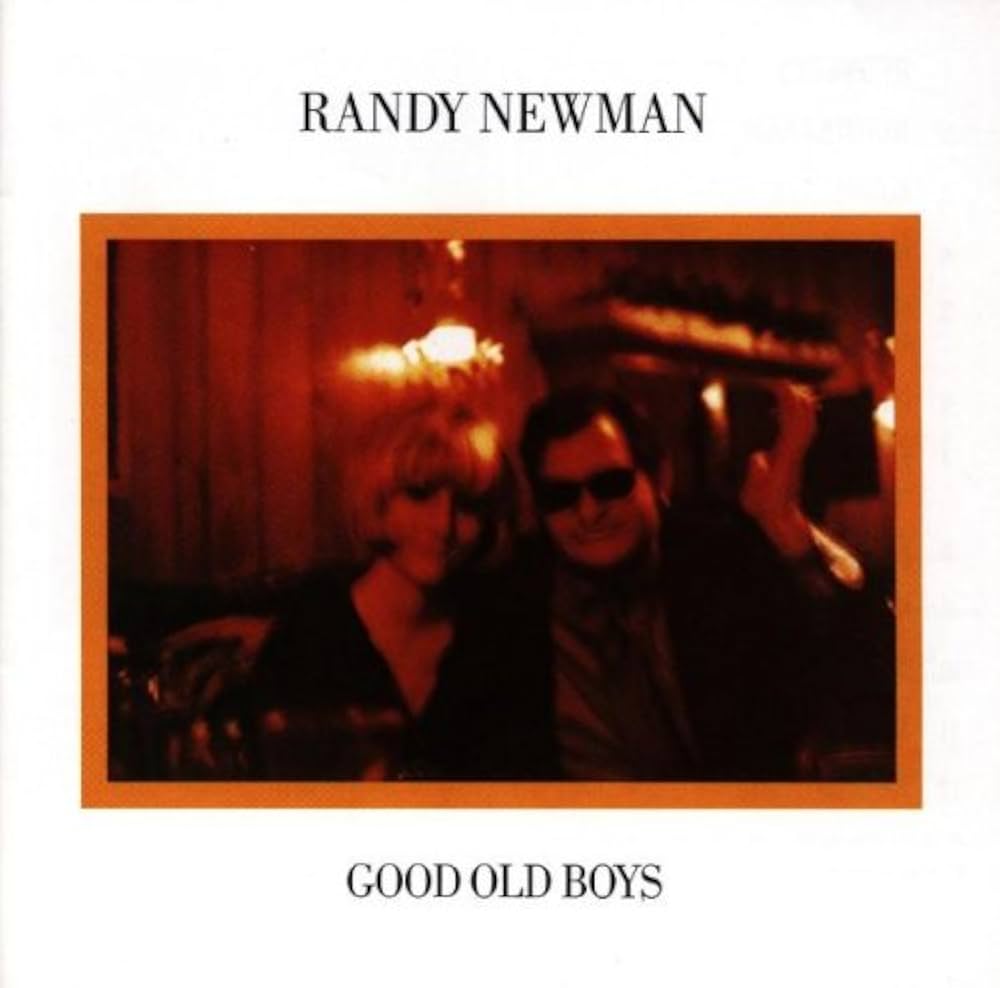
Good Old Boys cover

Good Old Boys 1974 ★★★★½

I’ve been arguing in my head for years whether Good Old Boys or Sail Away is Randy Newman’s masterpiece. On one hand, Sail Away cuts a little deeper emotionally. On the other, Good Old Boys has catchier melodies, more provocative songs, bigger arrangements… in other words, more brass in its knuckles. Of course, the sensible solution is to stop arguing and just love them both equally. Because, unlike stepchildren, you’re allowed to do that with albums. He opens the album with easily the most provocative song here, “Rednecks.” On first listen, “Rednecks” seems to be taking a bat to the South, with its narrator proudly talking about “keeping the n***** down.” But Newman widens the target. The song isn’t really about Southerners. It’s about Northern liberals who feel superior, even though Black people are still segregated into rundown neighborhoods. It strolls right through the poison with piano out front, bass thumping underneath, woodwinds dropping in, and little country touches everywhere. “Birmingham” has affection in it, but not the clean kind. More like someone smiling at a place that roughed him up. “Marie,” still my pick for the best song here, sounds like a love song sung from the bottom of a bottle, sentimental strings and all, and the melody gets me every time. “Guilty” turns toward addiction and damaged love, dolled up in weary Americana colors. Then there’s the historical-political side: “Mr. President (Have Pity on the Working Man),” “Kingfish,” and “Every Man a King,” the latter two tied to controversial populist Huey Long. Newman doesn’t turn any of this into a history lesson. He pokes at the myth and lets the strings and brass swell grandly as they might. Newman is truly a great American songwriter, here at his peak. He gets America better than almost anybody else out there because he knows the place is funny, cruel, sentimental, and self-deluding. My personal musical taste seems to spend an awful lot of time in England, but Newman is a force who keeps pulling me back home. And I appreciate him for that.