Tears for Fears

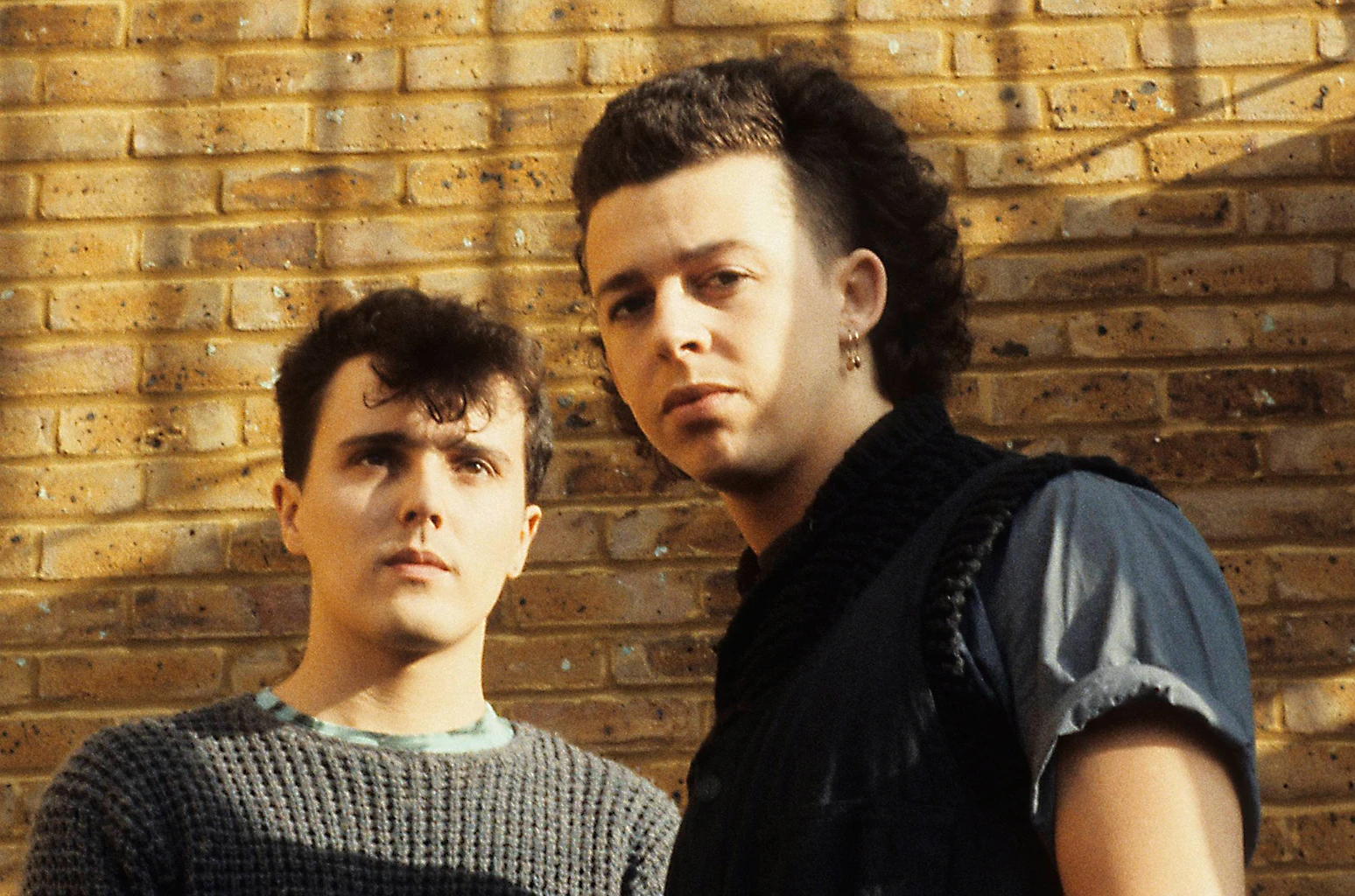
Tears for Fears promotional photo
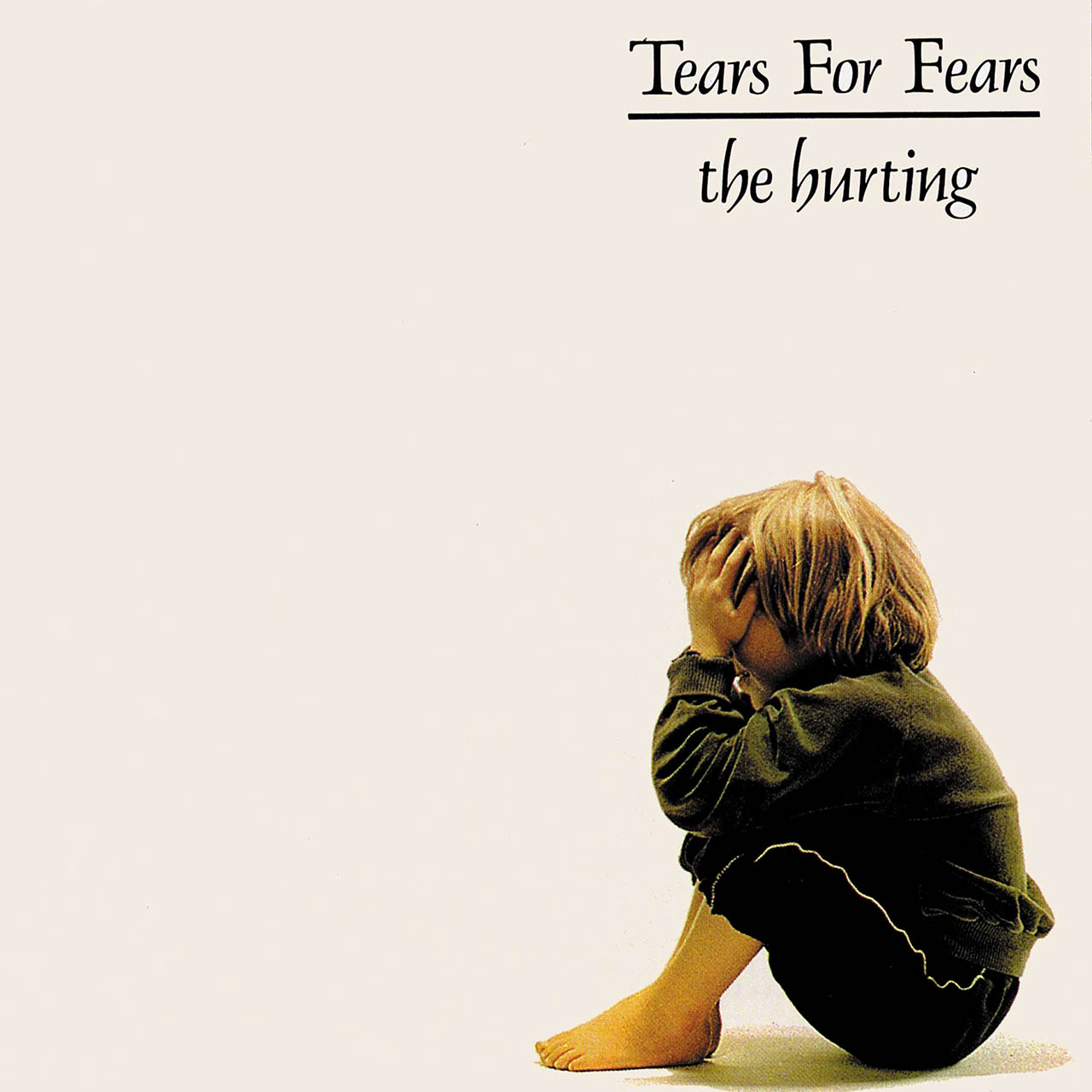
The Hurting cover

The Hurting 1983 ★★★★½

Heck of a fine debut album. You don’t expect a band this young to sound this atmospheric, this emotionally intelligent, and this melodically sharp right out of the gate. But here are Tears for Fears. Already sounding like masters of giant, gleaming pop—only turned inward, before the scale got bigger and the windows opened. They’re more introspective here, like they’re trapped inside the feelings themselves. Young men trying to reason their way through existential pain while simultaneously drowning in it. They seem less polished here than on their later records but still polished enough to sound ready to ship off to MTV. “Mad World” is a masterpiece, no question. Dark melody, unforgettable shape, lyrics watching people move through society with their routines and blank expressions, a horrified feeling that the adulthood you’re creeping toward means having to join this sad class of walking drones. “Pale Shelter” turns emotional isolation into dance-pop. Sadness you can dance to, which turns out to be more comforting than you’d think. “Change” is another towering piece of early-’80s melancholy. Driven by that hypnotic xylophone-like texture that sounds like they’d been listening to lots of Tangerine Dream lately. And then the two closers, “The Prisoner” and “Start of the Breakdown,” get surprisingly volatile—emotionally cornered. This is a strong, wonderful album with a balance that feels exactly right. The hooks are memorable, the instrumentation tasteful—of its era but somehow also timeless—with lyrics that have a big emotional tug without turning it into an art-school show about gloom.
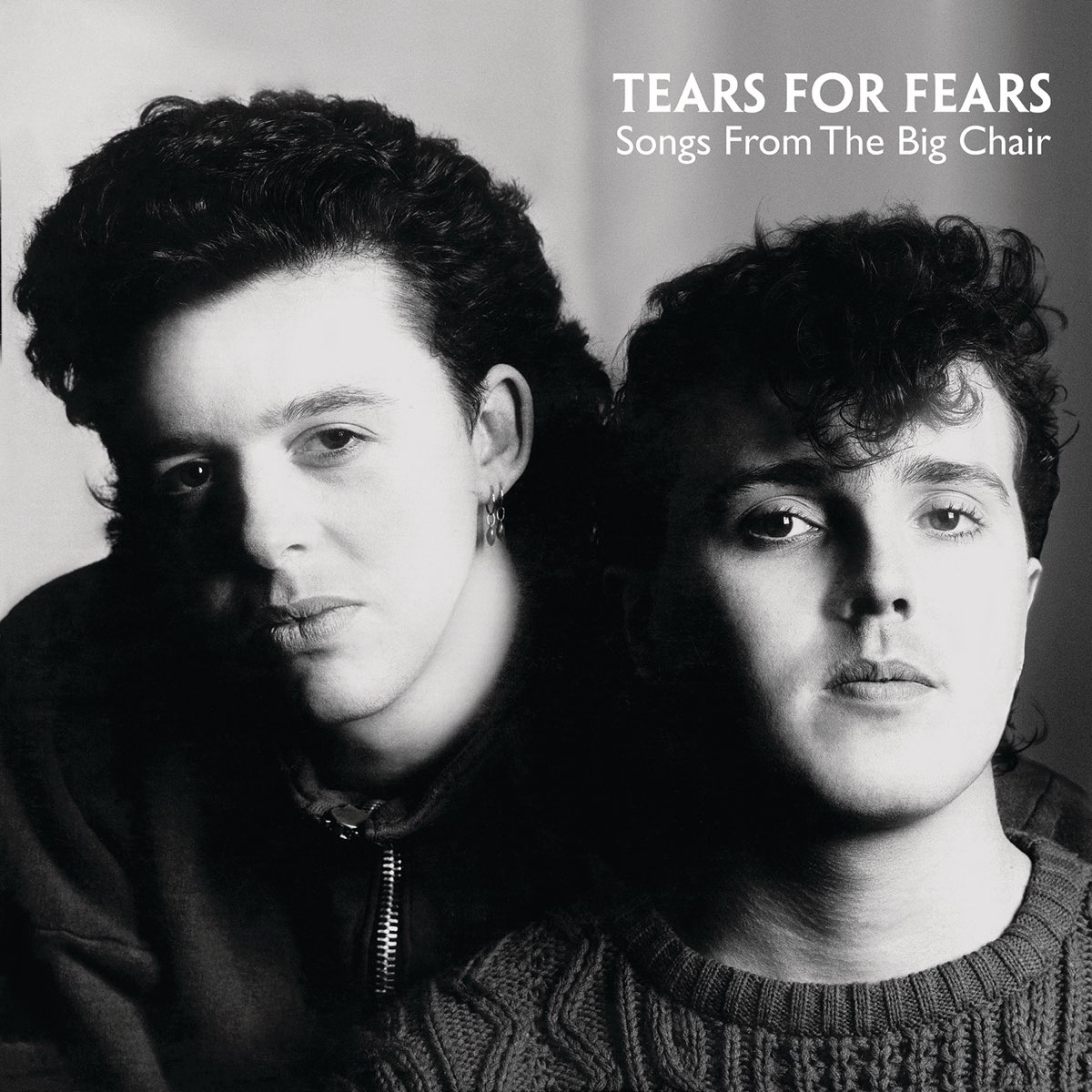
Songs from the Big Chair cover

Songs from the Big Chair 1985 ★★★★½

Pure pop class. Trendy for the time, but also bigger and more beautiful than Nancy Reagan in pumps standing in a giant mound of factory-fresh shoulder pads. It has the big hits, naturally, but it’s also beautifully programmed ’80s rock that brushes up against prog without losing its mind. An enormous pop sound, at least three singles for the ages. Enough intelligence in the arrangements to make the whole thing feel like synth-pop for people who own books. Greek gods with drum machines, singing from the top floor of some giant corporate mausoleum after everyone has gone home for the weekend except the guy staying late because he couldn’t hide his nervous breakdown from his coworkers. Roland Orzabal especially tears through “Head Over Heels,” a song that keeps swelling until it seems too expensive for radio. “Shout” opens the album. It sounds like a protest chant sung in St. Peter’s Basilica. Then “Everybody Wants to Rule the World” seems casual, almost breezy, until you realize it’s making gentle little strumming motions on your nerves. Even the long mechanical drum passages get you with their metallic heartbeats and factory-floor thunder. Mid-’80s corporate sheen all over the place, but you wouldn’t want to sneeze on it. You shouldn’t sneeze on anything. Maybe you can cry on it. An album of big emotions. Sharp hooks. Great pop. Expensive anxiety. Young singer-songwriter seriousness inflated to arena size. Something to listen to in your company car. Slick, enormous, neurotic. I never get tired of it.

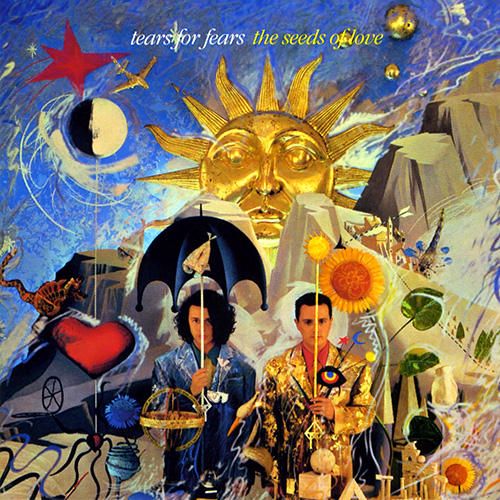
The Seeds of Love cover

The Seeds of Love 1989 ★★★½

A very good album, though I’m not sure Tears for Fears are playing directly to their strengths here. After the programmed sleekness of the earlier records, The Seeds of Love opens the doors and starts letting in everybody from the street. Jazz musicians, a soul singer in Oleta Adams, a gospel choir, late-period Beatles playing on the turntable. Basically a Sgt. Pepper-style prestige-pop move after the huge success of Songs from the Big Chair. Admirable, mostly successful. Also maybe the point where the decoration starts crowding the melody. “Sowing the Seeds of Love” is the big Beatles-worship psych-pop parade float, with bright overlapping effects and little musical details constantly jumping into view while the melody tries to steer the whole thing forward. I enjoy it, of course. But at a certain point the layers stop making the song bigger and start making it harder to find the song. “Advice for the Young at Heart” works better for me. The fuller sound seems to move in soft waves behind the song, rather than sitting on top of it as decorative clutter. “Badman’s Song” has plenty going on—with soul flourishes, jazzy detours, expensive textures sliding in from every direction. But I keep waiting for the actual song underneath it to grab me by the collar. Still, the album is rich and careful. Obviously fussed over. There are transcendent moments. There’s some real beauty. But it feels like there are too many guests in the kitchen. Brian Wilson went this direction after Pet Sounds and did it a whole lot better. Then again, it also drove him mad.

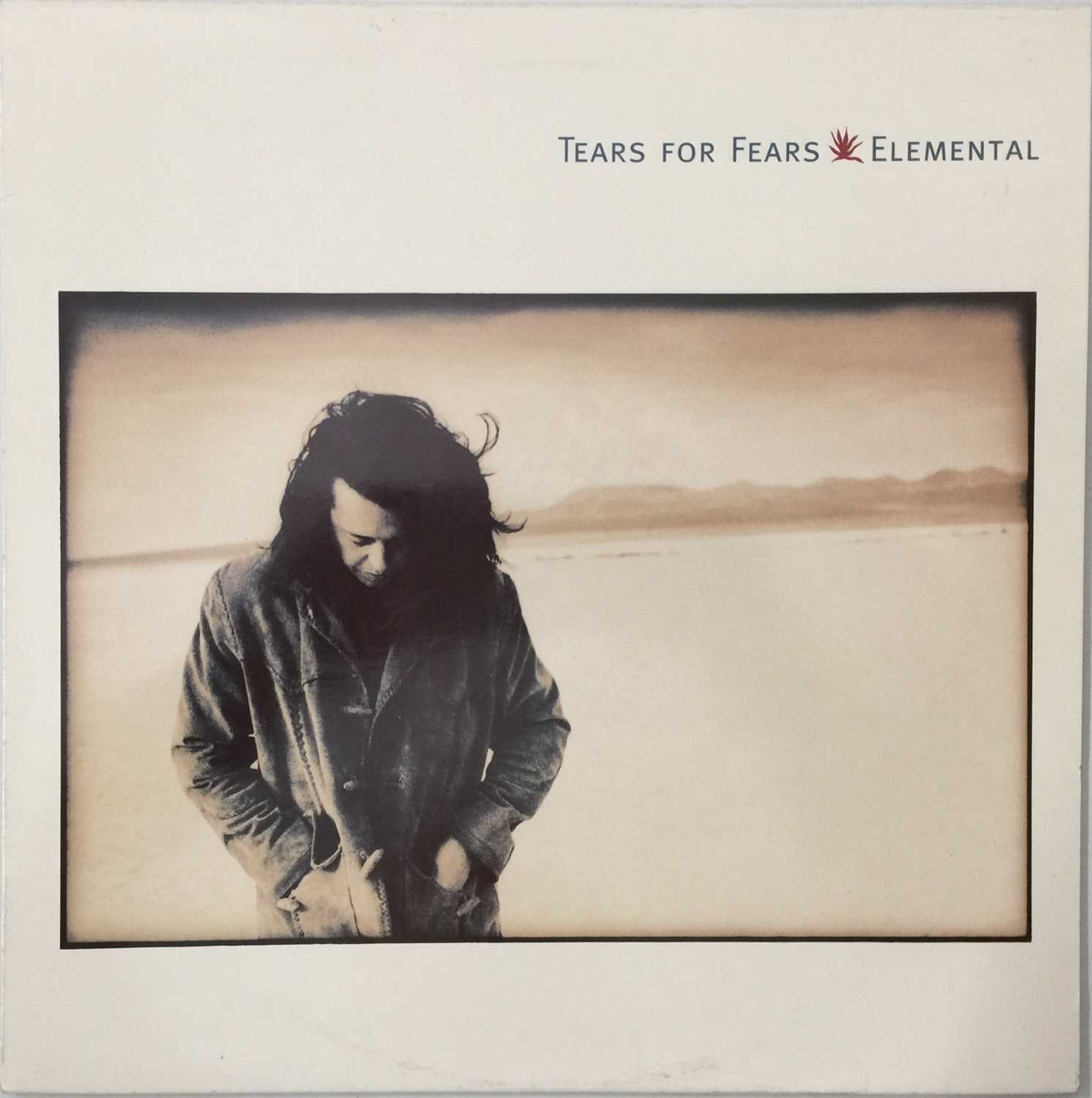
Elemental cover

Elemental 1993 ★★★

Curt Smith traded back his fears for tears and temporarily left the band, meaning the burden of continued sophistication fell squarely onto Roland Orzabal’s increasingly worried forehead. Orzabal was always considered the main creative force anyway, and Elemental does prove the machine still runs. It just doesn’t fly quite as high. The adult-contemporary production rules the roost here: glossy early-’90s spaciousness, big drums, tasteful guitars, polished acoustic textures, careful layering. The cluttered prestige-pop of The Seeds of Love has been cleared out, but Orzabal’s melodies are still distinctive enough to poke through all the polish. The title track gets closest to the old magic, with its sweeping melancholy and polished grandeur, while “Break It Down Again” is the obvious centerpiece—a nice hooky thing with enough old Tears for Fears drama still running through it. “Brian Wilson Said” brings the Beach Boys flavor to the surface, straight out of the Pet Sounds school of thoughtful sighing. There are some beautiful moments here, and as an early-’90s art-pop record it’s solid. The songwriting just isn’t quite as sharp as it was during their peak. Their first two albums were very much products of the ’80s, but they also felt like their own statement inside that decade. Elemental blends into the ’90s landscape a little too comfortably. Sensible, maybe. Respectable, certainly. But the old machine isn’t throwing sparks like it used to.

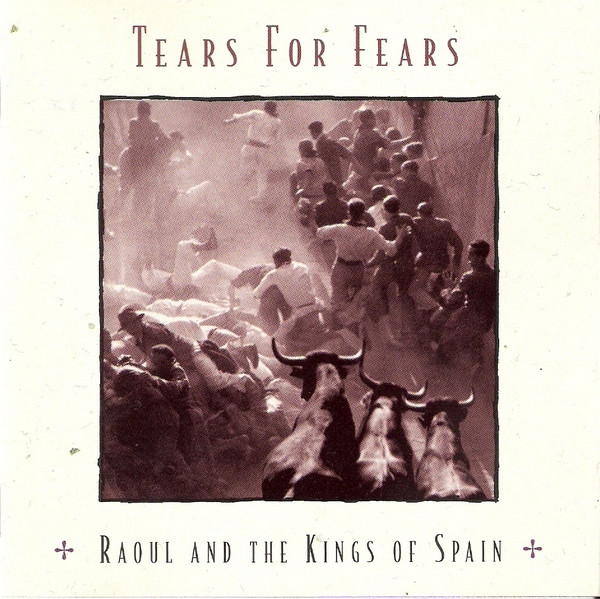
Raoul and the Kings of Spain cover

Raoul and the Kings of Spain 1995 ★★

The second and final Tears for Fears album without Curt Smith. The Beatles influence is mostly gone. The leaner synth-pop precision of the early records is a distant memory. In its place: a large, serious album. I badly want to like it. It has the dense adult-pop feeling of Peter Gabriel’s Us—squarely one of my favorite albums of the 1990s. But that album feels mystical and alluring, with great tunes to boot. This feels like it’s refusing me an angle. Like I’m walking around a sleek skyscraper, looking for a way in but finding nothing but glass. Still, a few rooms light up. The title track is particularly strong: an upbeat adult-pop rocket where Orzabal starts howling “Raoooo-UUUUUUU-L” in the chorus like he’s trying to summon a sea monster. I also like the flamenco flare-up in “Sketches of Pain,” a wistful little flash inside a song that otherwise spends too much time admiring its own fog. “Sorry” almost has the makings of a classic Tears for Fears chorus, but it’s buried under so much production that the feeling gets encased in wax. By the time he starts repeating “cut off my nose to spite my face,” I start to cringe. These songs clearly come from somewhere painful. Orzabal’s father had recently died, and his marriage was falling apart. I understand the grief. I just don’t feel brought into it. I feel like I should be standing aside, letting Orzabal suffer on his own instead of feeling invited to suffer through it with him. As much as there’s real craft in this album, it’s not really an experience.

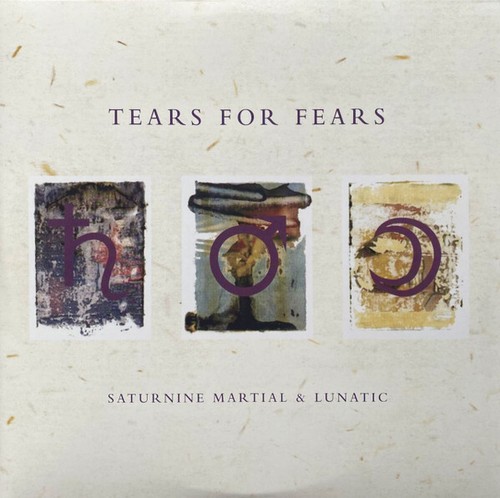
Saturnine Martial & Lunatic cover

Saturnine Martial & Lunatic 1996 ★★★

Compilation

Tears for Fears had the hits, but they also had the stuff filed behind the hits. The B-sides, rare tracks, instrumentals, soundtrack scraps, little studio experiments. Nothing too deranged or revolutionary. But unique enough to show that this pop machine had some loose screws in the back. A lot of this sounds like they wanted to be more like Art of Noise. And maybe the only thing getting in the way was their persistent habit of writing hit songs that people wanted to hear. Hit songs often beget more hit songs. “The Big Chair” gave the second album its title, then shows up here as a sparse little contraption of military percussion, sound effects, and menace. “Pharaohs” is stranger and better, with dreamy keyboards, radio fragments, helicopters, light industrial clank. I spent half the track picturing pyramids before realizing it’s “Faroes.” As in the islands. How silly of me for confusing these two things. “Déjà Vu and the Sins of Science” is a loop-ridden near-instrumental that gives me Civilization II soundtrack vibes. Wow, I miss that game. But the real joy is the opener, “Johnny Panic and the Bible of Dreams.” It gets right what their ’90s albums got wrong: densely packed, but with the rhythm and bass line working like a perpetual engine, and real hooks in there too. The lead vocal is handled by a female rapper, which pushes it far from the usual Tears for Fears sound. When they take away those familiar cool voices, it’s completely unguessable the song was by Tears for Fears. Still, as glossy ’90s pop goes, it’s very good. The collection ends with “The Way You Are,” a minor UK hit. Dreamy, tentative, more recognizable as Tears for Fears than most of this stuff, but still looking for the nearest carpet to disappear into. As archival releases go, this is reasonably enjoyable. I won’t play it every week, but I’m glad it exists: a junk drawer from a band too pop-smart to disappear into weirdness and too restless to behave like normal pop stars.

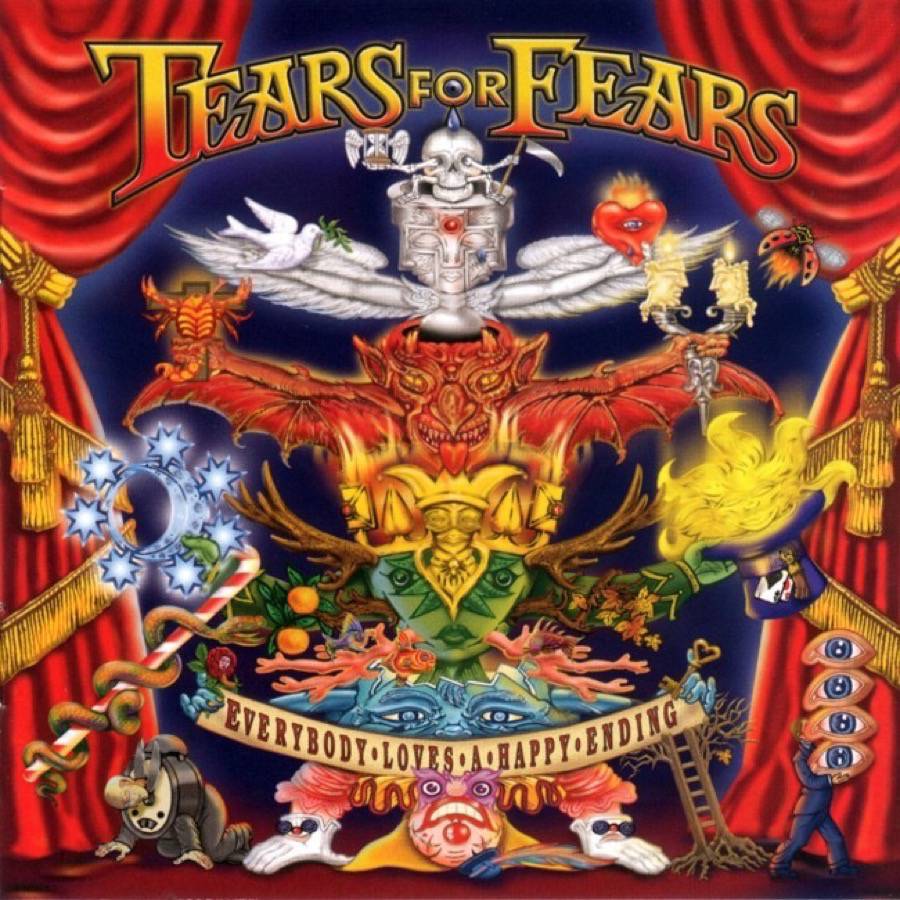
Everybody Loves a Happy Ending cover

Everybody Loves a Happy Ending 2004 ★★★½

A decade apart seems to have done these guys some good. Not commercially, maybe. By 2004, most ’80s acts weren’t exactly storming the charts. But creatively, this is their best thing since their glory days. First of all, Curt Smith is back, making Tears for Fears a duo again, and the old chemistry seems to have returned with remarkably little rust on it. The surprise is the sound they’re pursuing. Nothing trendy, nothing trying to reclaim their glory years. In fact, this barely even resembles that icy synth-pop. They’re headed somewhere warmer instead. Jangle-pop, dream-pop, power-pop. The whole thing sunlit and a little retro-drunk. It’s like Jellyfish and The Wondermints—Beatles and Beach Boys instincts everywhere. Jangly guitars, fuzzy textures, strings, brass, even a “Penny Lane”-style flugelhorn. Lots of decoration, but far more organic-sounding than the much denser The Seeds of Love. Maybe this is closer to what that album would have been if they hadn’t felt the need to overproduce the thing to death. And through all that decoration, they still sing like nobody else. Those voices rise over dense arrangements with utter ease. “Who Killed Tangerine?” is the obvious flag planter. The chorus has real lift to it, especially the way Orzabal pushes “stuck inside a wheel inside a wheel” before the song opens into that repeating refrain. An enjoyable album all the way through, but that’s the moment here that kicks up genuine dust. Maybe a few songs could have been trimmed. Forty minutes might have made for a tighter record. But still, a wonderful collection. Tuneful, sunny, and surprisingly relaxed for a reunion album. There’s very little strain in it. No sense of a band trying to reclaim former glory. If anything, it sounds like two people rediscovering they enjoy standing in the same room and making music together.

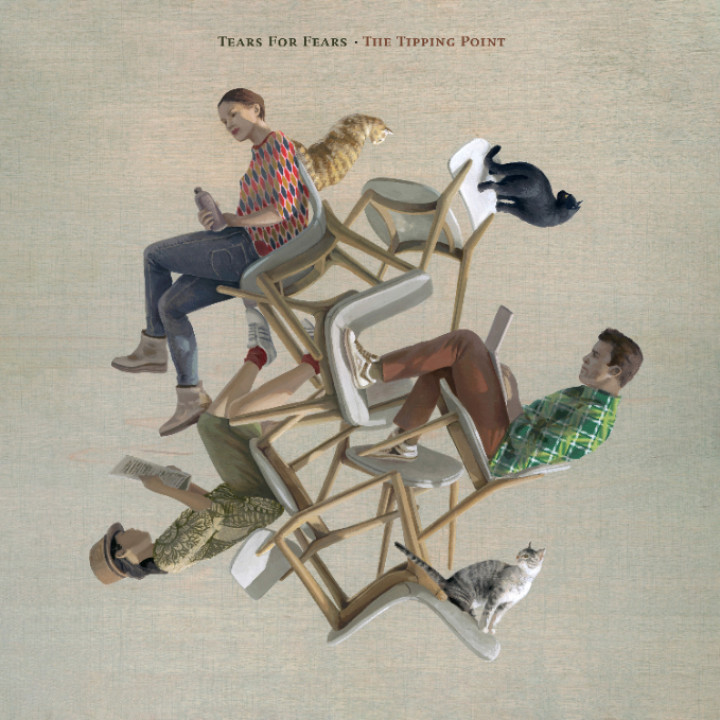
The Tipping Point cover

The Tipping Point 2022 ★★★★

Surprisingly great, considering we’re talking about a band that has been sustaining itself on the nostalgia circuit. Not a knock, by the way—I saw them live and enjoyed the ever-loving snot out of it. They’re still not trying to make another Songs from the Big Chair, which is probably healthy. Nobody in their sixties needs to be standing on a corporate rooftop yelling at the moon through a gated reverb drum. But The Tipping Point gets closer to the old Tears for Fears magic than I expected. They don’t recreate the sound of it, exactly, but they remember the dreamy melodies and the elegant anxiety. And most importantly choruses that rise to the ceiling. What surprises me is how modern this sounds. And no, not mainstream modern. They’re not trying to make a Harry Styles record. Rather, it brushes up against the prettier side of indie-pop. Like Tennis, Wild Nothing, The Pains of Being Pure at Heart—that whole clean-windowed school of melancholy. But this still feels like Tears for Fears—mostly. The title track in particular could have wandered in from one of the classic albums—except the production was updated and the emotional temperature lowered a few degrees. It opens with some atmospherics before big drums and a keyboard riff pops up. But what keeps you listening is their old standby—a melody that gets you. “Long, Long, Long Time” is gorgeous, with a chorus that opens wide and female backing vocals that make it feel less traditionally Tears for Fears, but it might be better for it. “Rivers of Mercy” has a little Peter Gabriel “In Your Eyes” glow to it—devotional and spacious. A little bit ethereal. The penultimate track “End of Night” might just be the loveliest thing here—riding a swinging rhythm into one of those dreamy, upward-looking choruses they’ve always seemed to know how to pull off without trying. “Master Plan” brings back the Beatles itch—pounding pop piano, tight harmonies, a few strange and glorious chord changes. A remarkably strong collection of songs. I don’t quite get the urge to re-listen to them over and over quite like the old albums did, but they do rearrange the electrons around my nervous system kind of like the old records do. Overall, a warm, tuneful, and graceful album. Not what I would have expected but that’s for the better. Give it a whirl.

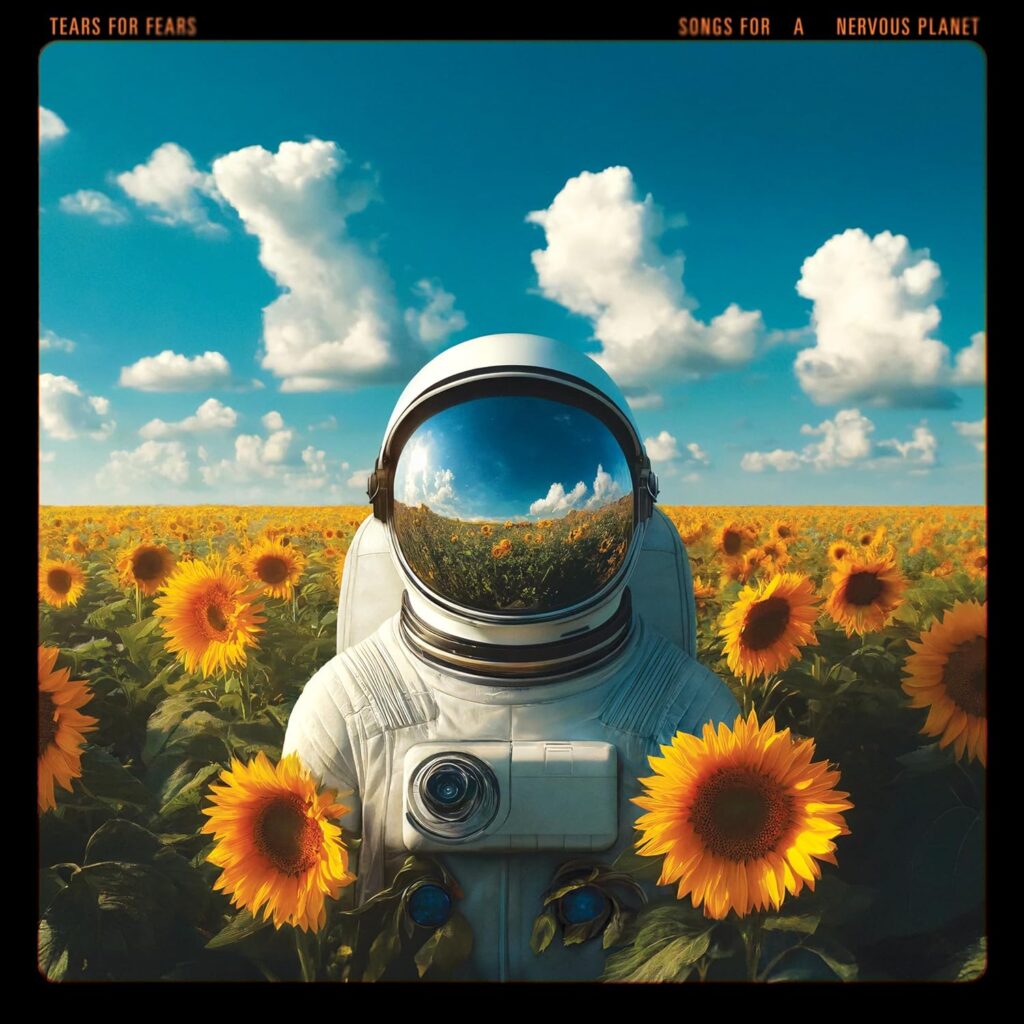
Songs for a Nervous Planet cover

Songs for a Nervous Planet 2024 ★★★½

Live Album

Four brand-new studio songs and ninety minutes of live Tears for Fears. Basically an appetizer and an entire wedding reception afterward. But the appetizer is fine, and Tears for Fears is the wedding band, so dim the house lights and let’s get started. The new material is excellent. Immaculately crafted, bright as a fresh coat of paint. Peculiarly cheerful for an album with “nervous planet” in the title. The hyper-realistic cover turns out to be aptly descriptive of the sound. The songs have that same heightened quality, as if somebody nudged the color settings a touch too far. “The Girl That I Call Home” opens with a synthesizer pattern that briefly reminds me of Peter Gabriel’s “San Jacinto” before launching into an incredibly sleek, melodic anthem—big choruses, instrumentation so spotless with adult optimism that the maid came to work already seeing her reflection in it. The sound reminds me of Duran Duran’s The Wedding Album. The live set, apparently recorded in Franklin, Tennessee, sounds terrific. The studio versions of these songs still have the advantage, of course—Tears for Fears have always been perfectionists in the studio. But the concert has its own appeal. “Sowing the Seeds of Love” for instance still brings the bells, whistles, and flugelhorn—only now the rhythm drives straighter ahead. Of course the hits like “Head Over Heels,” “Mad World,” and “Shout” show up like old friends you haven’t seen in decades. A little messier but still make good company. Call this a minor entry in the Tears for Fears discography, but it’s worthwhile. The new songs are shiny new things, and the old songs remain impossible to wear out.